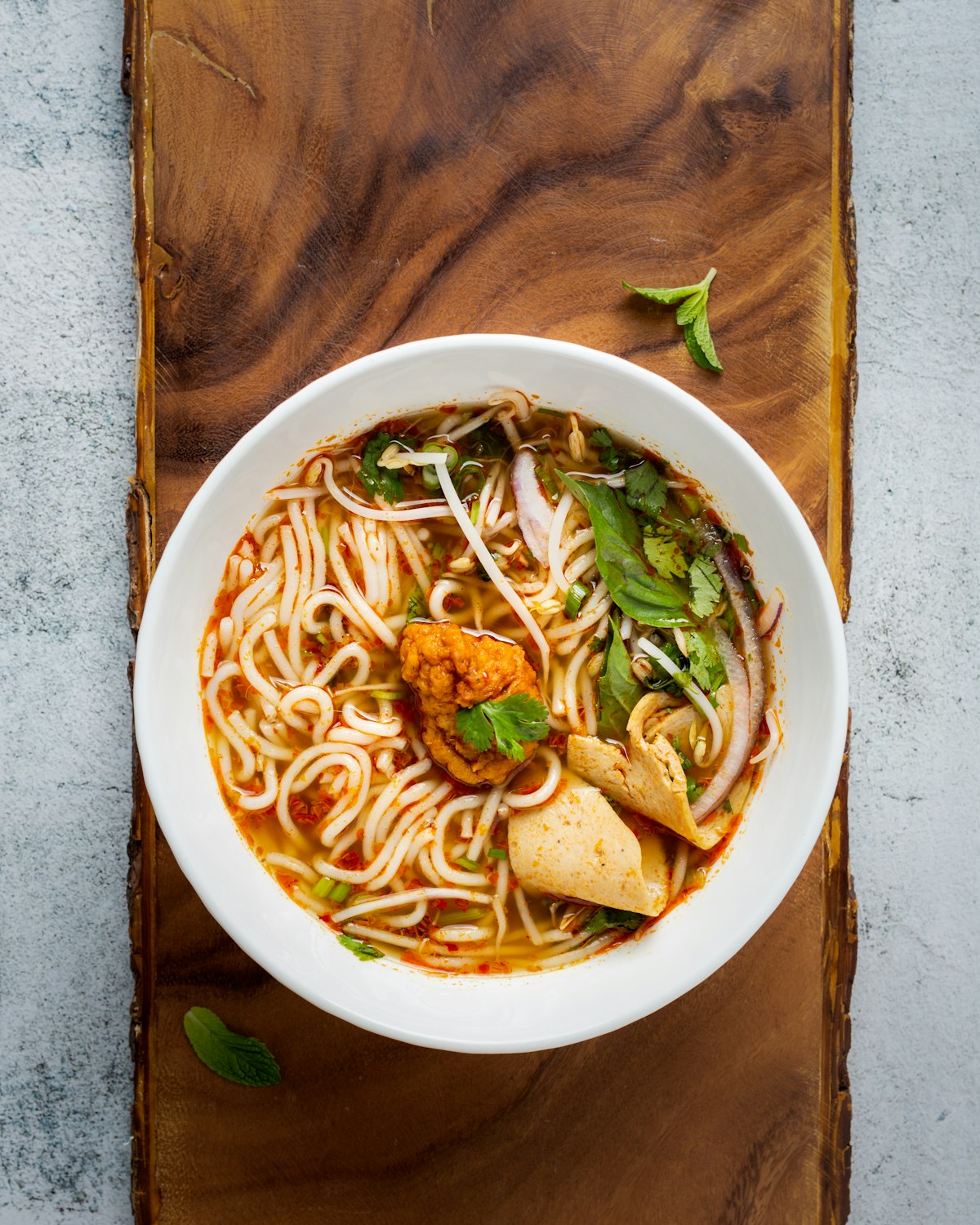
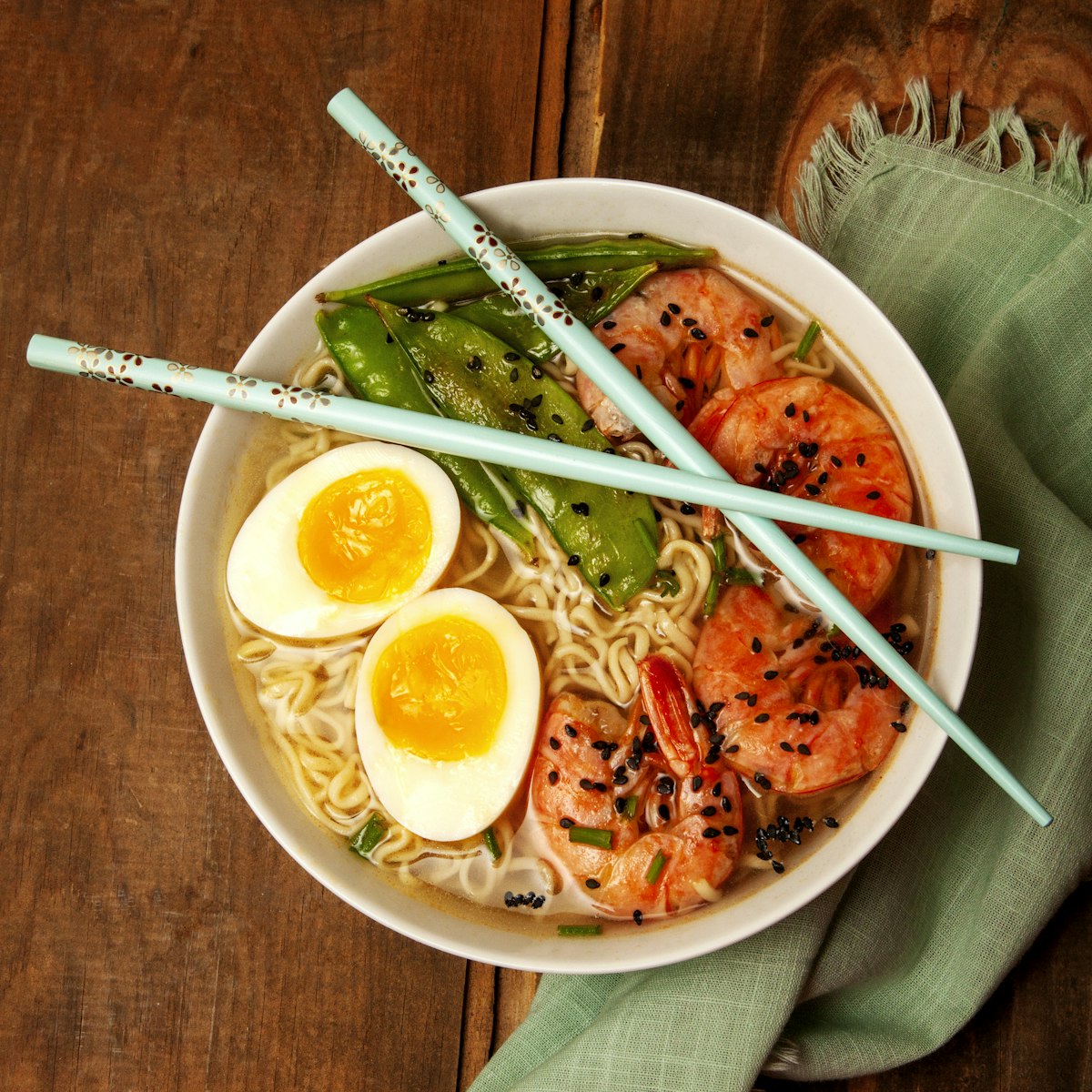
海外に住み始めてから、ふと「あの濃厚な豚骨スープが飲みたい」「家二郎が食べたい」と思うことはありませんか?近くに本格的なラーメン屋がない、そもそも中華麺が手に入らない——そんな悩みを抱えている方は多いはずです。

実は、スープから麺まですべて自宅で再現することは十分可能です。本記事では、家二郎・家系・天下一品風・担々麺・油そばなど11種類のラーメンを網羅し、さらに中華麺が買えない地域向けの自作麺レシピ、海外で手に入る代替食材ガイドまで詳しく解説します。
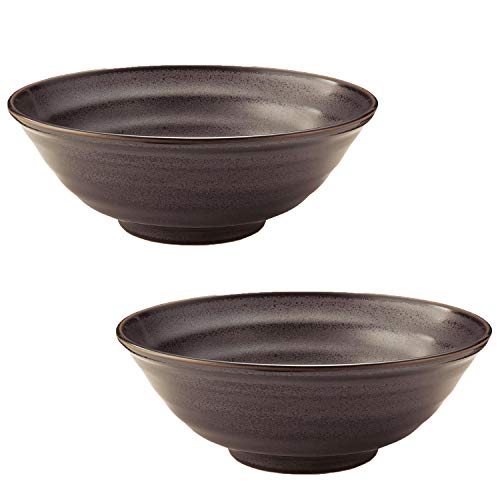
本格ラーメンどんぶり

💡 この記事で分かること

  • 家二郎・家系・天下一品風など11種類のラーメンの作り方と特徴の違い
  • 中華麺が手に入らないときの自作麺レシピ(かん水代用法を含む)
  • チャーシュー・味玉・メンマなどトッピングの作り方
  • 海外で調達できる代替食材と入手先ガイド
  • よくある質問への回答(豚骨スープは海外でも作れる? など)

ラーメンの種類 — 一覧比較表

まず、代表的なラーメンの違いを一目で把握できる比較表を示します。難易度は自宅での再現しやすさを★1〜5で評価しています(★が多いほど難しい)。

種類スープベース麺の太さ難易度調理時間特徴
家二郎豚骨醤油極太★★★★3〜4時間背脂・ニンニク・山盛りヤサイ
家系ラーメン豚骨醤油+鶏油太麺★★★★4〜6時間ほうれん草・海苔・濃厚白湯
天下一品風鶏白湯(とろみあり)中太★★★★★4〜5時間ドロドロスープ・野菜ペースト
山岡家風豚骨(濃厚背脂系)太麺★★★★3〜4時間背脂チャッチャ・豚骨臭あり
塩ラーメン鶏ガラ・昆布・貝細〜中細★★30分〜1時間透き通ったクリアスープ
醤油ラーメン鶏ガラ・醤油タレ細〜中細★★30分〜1時間醤油ベースで食べやすい
味噌ラーメン(札幌風)豚骨×味噌中太縮れ麺★★★1〜2時間もやし炒め・ラード・コーン
担々麺ゴマ×鶏ガラ×豆乳細〜中細★★30〜45分ゴマの香り・辛肉みそ
台湾ラーメン醤油系(薄め)細麺★★30〜40分台湾ミンチの旨辛トッピング
つけ麺豚骨×魚介(濃厚)極太〜太麺★★★1〜2時間濃厚つけ汁に麺をつけて食べる
油そば醤油タレ+香味油中太〜太麺15〜20分スープなし・タレと油のみ

こってり系ラーメンの作り方

家二郎(二郎インスパイア)

ラーメン二郎のインスパイア系「家二郎」は、極太麺・背脂・山盛りのヤサイ(もやし+キャベツ)・ニンニクが特徴の豪快な一杯です。スーパーで揃う食材で本格的な一杯が楽しめます。

スープの材料(2〜3人前):

  • 豚バラブロック 400g(チャーシュー兼スープ素材)
  • 豚背脂 200g(スーパーの精肉売り場で入手可能)
  • 手羽元 4本
  • 水 1.5L
  • 醤油 大さじ4、みりん 大さじ2、酒 大さじ2
  • ニンニク 4〜6片、生姜 1かけ

作り方:

  1. 豚バラと手羽元を沸騰した湯で10分下茹でし、流水で洗う(アク抜き)。
  2. 大鍋に水と下処理した肉類、背脂、ニンニク、生姜を入れ、強火で沸騰させたら中火で2〜3時間煮込む。
  3. 醤油・みりん・酒で味を整える。スープはこってり濃厚に仕上げるため、必要なら煮詰める。
  4. 背脂は別鍋で茹でてから引き上げ、粗くほぐしてチャッチャ用に取り置く。
  5. もやし・キャベツを茹でてヤサイを用意。ニンニクはすりおろす。
  6. 極太麺(または自作麺)を茹でて丼に盛り、スープを注いでヤサイ・背脂・ニンニクを盛る。
💡 ポイント: 二郎の迫力の源は「背脂」と「ニンニク」の組み合わせです。仕上げにラード(またはバター)を少量加えるとよりこってり感が増します。豚骨が手に入らない場合は手羽元だけでも十分なコクが出ます。

関連レシピ: 背脂ラーメン by リュウジ

家系ラーメン

横浜発祥の家系ラーメンは、豚骨と鶏ガラを合わせた白濁スープに醤油タレを合わせ、ほうれん草・チャーシュー・海苔をトッピングする王道スタイルです。鶏油(チーユ)の香りが決め手になります。

スープの材料(3〜4人前):

  • 豚骨(ゲンコツ)500g ※手羽元で代用可
  • 鶏ガラ 500g(または手羽先 6本)
  • 水 1.5L
  • 生姜 2切れ、ニンニク 3片、長ねぎ(青い部分)1本分

醤油タレの材料:

  • 醤油 100ml、みりん 大さじ3、砂糖 大さじ1
  • 昆布 5cm角 ×1枚

作り方:

  1. 豚骨と鶏ガラを30分水に浸して血抜きし、下茹で後に洗う。
  2. 大鍋に材料と水を入れ、強火で沸騰。白濁するまで中強火で3〜4時間煮込む(圧力鍋なら1〜1.5時間)。
  3. 醤油タレを別鍋で合わせてひと煮立ちさせ、昆布は取り出す。
  4. 丼にタレ大さじ2〜3、鶏油(スープ表面の脂を取ったもの)小さじ1を入れ、スープを注いで太麺を盛る。
  5. ほうれん草・チャーシュー・海苔・白ごまをトッピングして完成。
⚠️ 注意: 家系スープは長時間煮込むほど濃厚になりますが、焦げ防止のため水量の管理が重要です。水が減ったら適宜足し、途中でかき混ぜないことがポイントです(スープが濁りすぎないようにするため)。

関連レシピ: 家系ラーメン by リュウジ / チャーシュー醤油ラーメン by コウケンテツ

天下一品風 鶏白湯ラーメン

京都の名店「天下一品」のこってりラーメンは、鶏骨と野菜を長時間煮込んでミキサーにかけた「ドロドロスープ」が最大の特徴です。水というよりもポタージュに近い濃度が特徴で、自宅再現には最もハードルが高い一品ですが、ハンドブレンダーがあれば挑戦できます。

材料(3〜4人前):

  • 鶏ガラ 1kg、手羽先 4本、鶏皮 200g
  • じゃがいも 1個(とろみ出し)、玉ねぎ 1個、にんじん 1/2本
  • ニンニク 1球、生姜 2片、長ねぎ(青い部分)
  • 水 1.5L
  • 醤油 大さじ2、塩 小さじ1〜2、鶏ガラスープの素 大さじ1

作り方:

  1. 鶏骨類を下茹でし、野菜類とともに鍋に入れ、水から強火で加熱。
  2. 沸騰したら弱中火で3〜4時間、野菜がとろけるまで煮込む。
  3. 煮込んだ具材(骨以外)をすべて取り出し、ハンドブレンダーで滑らかになるまで攪拌する。
  4. ペーストをスープに溶き混ぜ、醤油・塩で味を整える。
  5. 中太麺に注いで、ネギ・チャーシューをトッピングして完成。
💡 ポイント: スープのとろみは野菜(特にじゃがいも)から自然に出ます。じゃがいもを多めに入れると、より天下一品に近いドロドロ食感になります。ハンドブレンダーは必須アイテムです。

関連レシピ: 鶏白湯醤油ラーメン by コウケンテツ

山岡家風 濃厚豚骨ラーメン

ロードサイドチェーンとして知られる山岡家の特徴は、豚骨の香りが強く・背脂たっぷり・スープが極めて濃厚な点です。好き嫌いが分かれますが、ファンからは熱狂的な支持を受けています。

材料(2〜3人前):

  • 豚足 1本(またはゲンコツ 500g)
  • 背脂 300g
  • 手羽元 4本
  • ニンニク 1球、生姜 2片
  • 水 1.5L
  • 醤油 大さじ3、塩 小さじ1、みりん 大さじ1

作り方:

  1. 豚足・背脂・手羽元を下茹でし、流水で洗う。
  2. 大鍋に全材料と水を入れ、強火で沸騰させる。
  3. 白濁が出てきたら中火〜中強火で2〜3時間煮込む(山岡家の特徴的な豚骨臭を出すため、蓋を開けて煮込む)。
  4. 醤油・塩・みりんで味を整え、仕上げに背脂をすくって別皿に取る。
  5. 太麺に注ぎ、チャーシュー・背脂・ニンニクをトッピングして完成。
⚠️ 注意: 山岡家風の強い豚骨臭は「ゲオスミン」という成分が由来で、好みが分かれます。匂いが気になる場合は蓋をして煮込む、または生姜・ニンニクを多めにするとやわらぎます。換気扇を必ず回しながら調理しましょう。

あっさり系ラーメンの作り方

塩ラーメン

あっさり系の代表格、塩ラーメン。透き通った黄金色のスープは、鶏ガラと昆布・塩タレを合わせた清湯(ちんたん)スープが基本です。海外でも鶏ガラさえあれば簡単に作れるため、初心者にもおすすめです。

材料(2人前):

  • 鶏ガラ 1羽分(または手羽先 6本、手羽元 6本)
  • 水 1.2L
  • 生姜 2切れ、長ねぎ(青い部分)、ニンニク 1片

塩タレの材料:

  • 塩 大さじ1.5、日本酒(または白ワイン)大さじ2
  • みりん 大さじ1、昆布水(昆布を水に1時間浸けたもの)大さじ2
  • 白醤油(または薄口醤油)小さじ2

作り方:

  1. 鶏ガラを冷水から加熱し、沸騰したらアクをとり、弱火で1時間煮込む(透き通らせるため強火にしない)。
  2. 塩タレ材料を小鍋でひと煮立ちさせ、冷ます。
  3. スープをこして、丼にタレ大さじ1.5を入れ、スープを注ぐ。
  4. 仕上げに鶏油(鶏の脂)またはごま油少量を加えて香りをつける。
  5. 細麺を盛り、チャーシュー・メンマ・ネギをトッピング。
💡 ポイント: 透き通ったスープに仕上げるコツは「弱火でじっくり」と「沸騰させない」こと。強火にするとスープが白濁してしまいます。昆布を水から浸けてうまみを引き出してから使うと、より上品な味になります。

関連レシピ: 究極の塩ラーメン by リュウジ

醤油ラーメン

醤油ラーメンは、鶏ガラスープに醤油タレ(かえし)を合わせたシンプルかつ奥深い一杯です。東京風(あっさり系)から北海道風(濃いめ)まで幅広いバリエーションがあります。

醤油タレ(かえし)の作り方:

  • 醤油 100ml、みりん 大さじ3、酒 大さじ2、砂糖 小さじ1
  • 昆布 5cm、煮干し 5〜6本(あれば)

全材料を小鍋に入れ、弱火で5分温める(沸騰させない)。冷蔵庫で1週間保存可能なため、まとめて作っておくと便利です。

作り方(スープ仕上げ):

  1. 塩ラーメンと同様に鶏ガラスープを取る。
  2. 丼に醤油タレ大さじ2〜3、鶏油またはごま油少量を入れる。
  3. 熱々のスープを注いで中細麺と具材を盛って完成。
⚠️ 注意: 市販の醤油によって塩分濃度が異なります。薄口醤油は塩分が高めなので、味見しながらタレの量を調節してください。海外では日本の醤油(キッコーマン等)が輸入品コーナーで手に入ることが多いです。

関連レシピ: ラーメン by リュウジ

変わり種ラーメンの作り方

味噌ラーメン(札幌風)

北海道・札幌発祥の味噌ラーメンは、炒めた豚ひき肉・もやし・ニラをスープに混ぜ込んだ具だくさんな一杯です。ラードをたっぷり使うことでスープが冷めにくいのも特徴です。

材料(2人前):

  • 豚ひき肉 100g
  • もやし 1袋(200g)、ニラ 1/3束、にんじん 1/4本
  • 鶏ガラスープ(または市販のチキンブロス)600ml
  • 味噌 大さじ3〜4(白味噌と赤味噌を半々がおすすめ)
  • 豆板醤 小さじ1、ニンニク 2片、生姜 1片
  • ラード 大さじ1(バターで代用可)、ごま油 小さじ1
  • 醤油 小さじ1、砂糖 小さじ1

作り方:

  1. フライパンにラードを熱し、みじん切りニンニク・生姜・豆板醤を炒めて香りを出す。
  2. 豚ひき肉を加えてそぼろ状に炒め、にんじん・もやし・ニラを加えてさっと炒める。
  3. 鶏ガラスープを加えて温め、味噌を溶き入れ、醤油・砂糖で調味する(沸騰させない)。
  4. 仕上げにごま油を加え、中太縮れ麺の上に注いでコーンとバターをのせて完成。
💡 ポイント: 札幌風の醍醐味は「スープの中に具が混ざっていること」。鍋の中で具とスープを一緒に炒め合わせることで、野菜の旨みがスープ全体に広がります。コーントッピングとバターは必須です。

関連レシピ: 味噌ラーメン by さくら

担々麺

担々麺は中国四川料理が原点で、日本ではすりごまと豆乳・豚ひき肉の辛肉みそ(炸醤)を組み合わせたまろやかな旨辛スープが定番です。ごま油や練りごまが手に入らない場合でも、すりごまで代用できます。

スープの材料(2人前):

  • すりごま(白)大さじ4〜5(または練りごま 大さじ2)
  • 豆乳(無調整)200ml(または牛乳)
  • 鶏ガラスープ 400ml
  • 醤油 大さじ1、ごま油 大さじ1、酢 小さじ1
  • 豆板醤 小さじ1〜2(辛さ好みで調整)

辛肉みそ(炸醤)の材料:

  • 豚ひき肉 100g、醤油 大さじ1、甜麺醤(またはみそ小さじ2+砂糖少量)大さじ1
  • 豆板醤 小さじ1、ニンニク 1片、生姜 少量

作り方:

  1. 炸醤を作る:ごま油でニンニク・生姜を炒め、豚ひき肉を加えてそぼろ状に。醤油・甜麺醤・豆板醤を加えて炒め合わせる。
  2. スープを作る:鶏ガラスープを温め、すりごま・豆乳・醤油・ごま油・酢・豆板醤を加えて混ぜる。
  3. 丼に細麺を盛り、スープを注いで炸醤・刻んだ青ネギ・ラー油をトッピング。
⚠️ 注意: 練りごまは脂分が多いため、加えすぎると味がぼやけます。すりごまを使う場合はごまを十分に炒ってから使うと香りが格段に向上します。スープを沸騰させると豆乳が分離するため、弱火でじっくり温めてください。

台湾ラーメン

実は名古屋発祥の台湾ラーメンは、台湾の麺料理「担仔麺(タンツーメン)」をヒントに名古屋の「味仙」で生まれました。旨辛の台湾ミンチをスープに加えた個性的な一杯です。

台湾ミンチの材料(2〜3人前):

  • 豚ひき肉 200g
  • 赤唐辛子 2〜3本(好みで調整)、ニラ 1/2束
  • ニンニク 2片、生姜 1片
  • ごま油 大さじ1、醤油 大さじ1、オイスターソース 大さじ1
  • みりん 大さじ1、豆板醤 大さじ1

作り方:

  1. フライパンにごま油を入れ、弱火でニンニク・生姜・豆板醤・赤唐辛子を香りが立つまで炒める。
  2. 豚ひき肉を加えて中火でそぼろ状に炒め、ニラを加えてさっと混ぜる。
  3. 醤油・オイスターソース・みりんを加えて汁気がなくなるまで炒め合わせる。
  4. 薄めのあっさり醤油スープを丼に注ぎ、細麺を盛って台湾ミンチをトッピング。
💡 ポイント: 台湾ミンチの旨みを最大化するには、ニンニクと豆板醤を十分に低温で炒めて香りを引き出すことが重要です。台湾ミンチは多めに作ってご飯のお供にも使えます(冷蔵保存3〜4日)。

関連レシピ: 台湾ラーメン by 笠原将弘

つけ麺

つけ麺は、茹でた麺を濃厚な豚骨魚介系のつけ汁に浸けて食べるスタイルです。スープよりも濃い味のつけ汁と極太麺の組み合わせが特徴で、麺の量を自由に調節できる点も人気の理由です。

つけ汁の材料(2人前):

  • 豚ガラスープ(または鶏ガラ)300ml
  • 醤油 大さじ3、みりん 大さじ2、酒 大さじ2
  • かつお節 ひとつかみ、煮干し 5本
  • 砂糖 小さじ1、酢 小さじ1(隠し味)
  • 水溶き片栗粉(片栗粉 小さじ1 + 水 大さじ1)でとろみ付け

作り方:

  1. スープにかつお節・煮干しを入れて5分煮出し、こして魚介だしを取る。
  2. 醤油・みりん・酒・砂糖・酢を加えて中火でひと煮立ち。
  3. 水溶き片栗粉でとろみをつけ、麺に絡みやすいつけ汁に仕上げる。
  4. 極太麺を茹でて冷水で締め、つけ汁とともに提供。食べ終わったら割りスープ(熱々の出汁)でつけ汁を薄めて飲み干す。
⚠️ 注意: つけ汁の温度は高めに保つことが大切です。食べている途中で冷めてきたら小鍋で温め直しましょう。かつお節や煮干しが手に入らない場合は、だしの素(ほんだし等)や市販のめんつゆで代用できます。

油そば

油そばはスープを使わない「汁なしラーメン」で、麺に醤油タレと香味油を絡めるだけで完成します。最も手軽に作れるラーメンで、調理時間はわずか15〜20分。海外でも材料が揃いやすく初挑戦におすすめです。

タレ・油の材料(1人前):

  • 醤油 大さじ1.5、オイスターソース 小さじ1
  • ごま油 大さじ1、お酢 小さじ1
  • 砂糖 小さじ1/2、鶏ガラスープの素 小さじ1/2

作り方:

  1. タレ材料をすべて丼に入れてよく混ぜておく。
  2. 中太麺を茹でて水気をしっかりきり、熱いうちにタレの入った丼に入れる。
  3. 全体をよく混ぜ合わせ、チャーシュー・メンマ・刻みネギ・半熟卵・海苔をトッピング。
  4. 食べる前に好みでラー油と酢を追加すると本格的な味わいに。
💡 ポイント: 油そばのタレは「醤油:ごま油:酢 = 1.5:1:0.5」が黄金比です。酢を少量加えることで後味がさっぱりします。仕上げにラード(または溶かしバター)を少量加えるとコクが増します。

自作麺の作り方(中華麺が手に入らない地域向け)

手打ち麺を作る様子

中華麺がスーパーで買えない地域にお住まいの方でも、小麦粉と重曹(ベーキングソーダ)があれば自宅で本格的な中華麺が作れます。かん水(アルカリ塩水)の役割を重曹で代用する方法です。

基本の中華麺レシピ(かん水 or ベーキングソーダ代用)

材料(2人前):

  • 強力粉 200g(または強力粉150g+薄力粉50g)
  • 水 70〜80ml(加水率35〜40%)
  • 塩 小さじ1/4
  • かん水(または重曹水): 重曹を使う場合は下記参照

重曹でかん水を作る方法(2つの方法):

  1. 重曹水をそのまま使う方法(簡易版): 水80mlに重曹小さじ1を溶かして使用。麺の弾力は控えめだが扱いやすい。
  2. 重曹を焼く方法(本格版): 重曹(炭酸水素ナトリウム)をオーブンで200℃・20分焼くと炭酸ナトリウムに変化し、より本物のかん水に近いアルカリ性が得られる。水80mlに焼き重曹小さじ1を溶かして使用する。

麺の作り方:

  1. 小麦粉に塩とかん水(または重曹水)を少しずつ加えながらこねる(約10分)。
  2. 生地をまとめてラップに包み、30分以上休ませる(グルテンを落ち着かせる)。
  3. 生地を伸ばして麺棒で薄く広げ(2〜3mm厚さ)、多めの打ち粉をして折りたたみ、包丁で切る。
  4. たっぷりの沸騰した湯で2〜3分茹でて完成。
⚠️ 注意(パスタを中華麺風にする裏技): 中華麺も自作麺も用意できない場合は、スパゲッティやラーメン用スパゲッティを重曹水で茹でる方法が使えます。水1Lに重曹大さじ1を加えて沸かし、パスタを通常より1分長く茹でるだけで、黄色みがかったもちもちの中華麺風食感になります。ただし重曹は入れすぎると苦みが出るため、分量を守ってください。

太麺・細麺・ちぢれ麺の作り分け

麺の太さや食感は、加水率(粉に対する水の割合)と切り方で調整できます。以下の比較表を参考にしてください。

麺の種類加水率切り幅の目安食感の特徴合うラーメン
博多風細麺30〜33%1〜1.5mm細くコシあり、茹で時間が短い豚骨・台湾ラーメン
中細麺33〜36%2〜2.5mmバランスのよい食感塩・醤油・担々麺
中太麺36〜40%3〜3.5mmもちもちした食感味噌・油そば
太麺40〜45%4〜5mmムチっとした歯ごたえ家系・つけ麺
極太麺(家二郎用)45〜50%6mm以上どっしりとした食べ応え家二郎
ちぢれ麺40〜45%3〜4mm(切後に手でよじる)スープが絡みやすい味噌・家系

ちぢれ麺を作る場合は、切った麺に打ち粉をしてから両手でもみしごき、ランダムに縮らせます。自然乾燥させてから茹でると形が安定します。

⚠️ 注意: 加水率が高い麺(太麺・ちぢれ麺)は生地がベタつきやすいため、打ち粉を多めに使いましょう。パスタマシン(製麺機)があると均一な厚さに伸ばしやすく、作業が格段に楽になります。

自作麺を均一に仕上げるなら製麺機が便利

手打ちでは厚みのムラが出やすい太麺・ちぢれ麺も、製麺機を使えば均一に仕上がります。家二郎や家系ラーメンをよく作る方に特におすすめです。
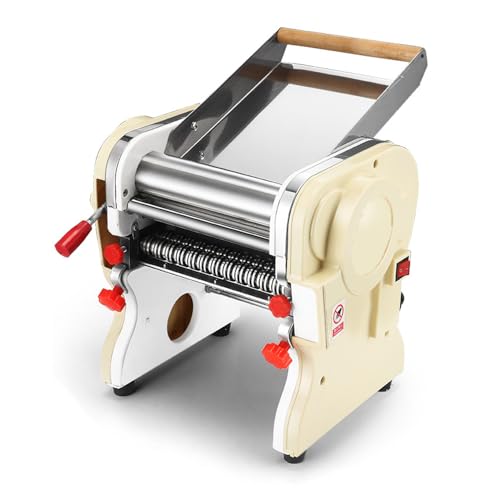
CGOLDENWALL 電動製麺機 パスタマシン ロール幅200mm 2種類ブレード 3mmフラット型・9mmフラット型

Amazonで見る →

CGOLDENWALL 電動製麺機 パスタマシン(ASIN: B0D87D8DNM)

チャーシュー・味玉・メンマなどのトッピング

自家製チャーシュー(煮豚)

ラーメンの味を決める重要なトッピング、チャーシュー。自宅で作るメリットはタレがそのままラーメンの醤油スープとして使えることです。

材料:

  • 豚バラブロック(または豚肩ロース)400〜500g
  • 醤油 100ml、みりん 100ml、酒 100ml(1:1:1の黄金比)
  • 砂糖 大さじ1、水 200ml
  • ニンニク 2片、生姜 2切れ、長ねぎ(青い部分)

作り方:

  1. 豚肉はタコ糸で巻いて形を整える(バラ肉の場合はくるくると巻いて固定)。
  2. フライパンで強火にして全面に焼き色をつける(旨みを閉じ込めるため)。
  3. 鍋に焼いた肉・調味料・香味野菜・水を入れ、沸騰したら弱火で1〜1.5時間煮込む。
  4. 火を止めて粗熱を取り、煮汁ごとジッパーバッグに入れて冷蔵庫で一晩休ませると味が深まる。
  5. 食べる前に薄切りにし、バーナーか焼き網で表面を軽く炙ると香ばしくなる。
💡 ポイント: 煮汁(タレ)は醤油ラーメンの「かえし」として再利用できます。残ったタレを冷蔵保存して醤油スープに大さじ2〜3加えるだけで、本格的な醤油ラーメンが完成します。

味付け半熟卵(味玉)

ラーメンに欠かせない味玉。コツを知れば誰でもとろとろの半熟卵が作れます。

材料(4個分):

  • 卵 4個
  • 醤油 大さじ3、みりん 大さじ2、酒 大さじ1、水 大さじ3
  • 砂糖 小さじ1(オプション)

作り方:

  1. 卵を冷蔵庫から出して室温に10分置く(急激な温度差を避けるため)。
  2. 沸騰した湯に卵を入れ、6分30秒〜7分茹でる(とろとろ仕上げは6分30秒、しっかり目は7分)。
  3. すぐに氷水に取り、1〜2分冷やしてから殻をむく。
  4. 漬けダレ材料を鍋でひと煮立ちさせ、冷ます。
  5. ジッパーバッグに卵と冷ましたタレを入れ、冷蔵庫で4〜8時間漬けて完成。
⚠️ 注意: 漬け込みすぎると塩辛くなります。4〜6時間が最適で、長くても12時間以内に取り出してください。海外では醤油の代わりにたまり醤油(tamari soy sauce)やテリヤキソースで代用できます。

関連レシピ: 味付け卵 by 笠原将弘

メンマ・ほうれん草・海苔

メンマ(自家製): たけのこ(水煮缶)を細切りにし、ごま油で炒めて醤油・みりん・砂糖・オイスターソースで味付けするだけで完成します。本物のメンマは乳酸発酵した麻竹を使いますが、水煮たけのこで十分美味しく作れます。

ほうれん草の下茹で: ほうれん草は塩を入れた沸騰湯で1〜2分茹でて、冷水で締めると色鮮やかに仕上がります。水気をしっかり絞り、食べやすい長さに切ってラーメンに添えます。

海苔: 焼き海苔をそのままトッピングするだけでOK。家系ラーメンには3枚を立てかけるのが定番です。海苔が手に入らない場合は韓国海苔や中華食材店の乾燥海苔で代用できます。

💡 その他のおすすめトッピング: 刻んだ青ネギ・もやし・コーン・バター・白ごま・一味唐辛子・ラー油・メンマ。これらは各地で比較的手に入りやすい食材です。

海外で手に入る代替食材ガイド

海外では日本の食材が手に入りにくい場合があります。以下の表で代替品と入手先を確認してください。アジア系食料品店(Asian grocery store)は多くの国にあり、かなりの種類の日本食材が揃います。

日本の食材海外での代替品主な入手先注意点
中華麺スパゲッティ(重曹水で茹でる)、自作麺スーパー全般卵入りパスタがより中華麺に近い
かん水重曹(Baking Soda)を焼いたものスーパー(ベーキング コーナー)200℃20分焼くと炭酸ナトリウムに変化
醤油キッコーマン・亀甲万(輸入品)アジア系食料品店、大型スーパー中国系醤油は味が異なるため注意
みりんスイートライスワイン(米国)、酒+砂糖で代用アジア系食料品店酒大さじ1+砂糖小さじ1が目安
豚骨・鶏ガラ精肉店に骨を別注文、手羽元・手羽先で代用スーパーの肉売り場・精肉店手羽元は豚骨の代わりに使えてうまみも豊富
ラードLard(輸入品)、背脂、バター、ショートニング大型スーパーバターはコクが出るが風味が異なる
豆板醤サンバルソース、コチュジャン+ごま油アジア系食料品店コチュジャンは甘みが強いため量を調整
練りごま・すりごまTahini(タヒニ)、白ゴマをミキサーで自作中東系食料品店、大型スーパータヒニは担々麺に使えるが塩気が少ない
鶏ガラスープの素Chicken bouillon cubes(チキンブイヨン)スーパー全般塩分が強いため使用量を減らして調整
メンマ水煮たけのこ(Bamboo Shoots缶)で自作アジア系食料品店、大型スーパー調味して自作するのが最も簡単
焼き海苔韓国海苔(Roasted Seaweed)アジア系食料品店、コリアンスーパー韓国海苔はごま油と塩が強めのものあり

おすすめアイテム

ラーメン丼(麺鉢)

本格的なラーメンを楽しむには、大きめのどんぶりが必要です。美濃焼の昔ながらの雷紋柄は食欲をそそる定番スタイルです。

ラーメン鉢 昔ながらのラーメン鉢 赤龍 ラーメンどんぶり ラーメン丼 中華 美濃焼 日本製

Amazonで見る →

美濃焼 ラーメン鉢 赤龍 昔ながらのデザイン 日本製(ASIN: B07PFSFRV8)

麺カッター・ピッツァカッター

手延べした麺生地を均一な幅で切るための専用カッターです。製麺機が大げさに感じる方でも、麺切りカッターなら簡単に手打ち麺が楽しめます。

Amazonで見る →

ヨシカワ 麺切り包丁 ステンレス製 日本製(ASIN: B07Z9G3KTN)

マルタイ棒ラーメン(業務用)

海外へ送ってもらう場合や日本から持参する際に便利な業務用棒ラーメン。細麺で本場博多の風味が楽しめます。豚骨スープの素付きモデルがおすすめです。

マルタイ 棒ラーメン(業務用1kg✕5袋) (豚骨スープセット)

Amazonで見る →

マルタイ棒ラーメン 業務用1kg × 5袋 豚骨スープセット(ASIN: B0C7CXF5TK)

HowToCook.jpのラーメンレシピ

当サイトには人気シェフが実際に作った本格ラーメン動画のレシピが多数掲載されています。記事で紹介した手順と組み合わせて活用してください。

よくある質問(FAQ)

Q: 海外でも豚骨スープは作れますか?

A: 作れます。豚骨(ゲンコツ)が手に入らない場合でも、手羽元・手羽先・豚バラブロックを組み合わせることで十分コクのある白濁スープが作れます。精肉店に「骨付きの部位はありますか?」と聞いてみると、豚足やスペアリブが手に入ることもあります。圧力鍋があれば短時間で本格的なスープに仕上がります。

Q: かん水がなくても中華麺は作れますか?

A: 作れます。重曹(Baking Soda)がかん水の代用品として使えます。より本格的に仕上げたい場合は、重曹をオーブンで200℃・20分焼いて炭酸ナトリウムに変化させると、かん水に近いアルカリ性が得られます。また、スパゲッティを重曹水(水1Lに重曹大さじ1)で茹でる「パスタを中華麺風にする裏技」も有効です。

Q: 一番簡単に作れるラーメンはどれですか?

A: 油そばが最も簡単です。スープ不要で麺を茹でてタレと油を混ぜるだけ。調理時間は15〜20分で、特別な食材も不要です。次に簡単なのは塩ラーメンで、鶏ガラスープを取るだけで本格的な一杯が楽しめます。

Q: 練りごまが手に入らない場合、担々麺はどうすればよいですか?

A: 中東系食材店やスーパーで手に入るタヒニ(Tahini)が練りごまの代替品として使えます。あるいは、白ごまをフライパンで炒ってからフードプロセッサーやすり鉢で丁寧に磨り潰すと自家製練りごまが作れます。豆乳やピーナッツバターを少量加えるとスープにコクが出ます。

Q: チャーシューを作る豚肉の部位はどこがおすすめですか?

A: 豚バラブロックが最もジューシーに仕上がります。脂身の少ないものが好みなら豚肩ロース(Boston butt)がおすすめです。いずれもスーパーの肉売り場で入手できます。海外ではPork belly(豚バラ)またはPork shoulder(豚肩)と呼んでください。

Q: スープをまとめて作り置きできますか?

A: できます。豚骨・鶏白湯スープは冷蔵で3〜4日、冷凍で1ヶ月保存できます。製氷皿や保存袋で小分け冷凍しておくと、食べたいときにすぐ使えて便利です。醤油タレ(かえし)も冷蔵で2週間保存可能です。

Q: 山岡家風の強い豚骨臭を抑えるにはどうすればよいですか?

A: 下茹でと下血抜きをしっかり行うことが最大のポイントです。骨を冷水から茹でてアクをとり、流水でよく洗い直してから本格的な煮込みに入ります。生姜・長ねぎを多めに使うと臭みが和らぎます。山岡家の独特な豚骨臭が好みでない場合は、蓋をして煮込むと香りを抑えられます。

出典・参考

情報の最終確認日: 2026年03月

※本記事にはAmazonアソシエイトプログラムの広告リンクが含まれます。
商品を購入された場合、当サイトに一定の報酬が発生することがあります。


ラーメンに乗せるチャーシューを自宅で作ると、好みの厚さ・味の濃さに仕上げられるうえ、煮汁をそのまま醤油ラーメンのかえしとして再利用できる——これが自家製チャーシュー最大の魅力です。市販品との違いは歴然で、一度自作するとやめられなくなります。

本記事では豚バラ・肩ロース・もも肉の部位別の特徴と調理法を比較表で整理し、基本の煮豚チャーシュー(豚バラ版・肩ロース版)を工程写真なしでも再現できるよう丁寧に解説します。さらにタレの活用法、保存期間の目安、安全のための加熱温度基準(中心温度75℃以上)も明記しています。

💡 この記事で分かること

  • 豚バラ・肩ロース・もも肉の部位別特徴と選び方
  • 基本の煮豚チャーシュー(豚バラ版)の手順
  • 脂少なめ派向け肩ロースチャーシューの作り方
  • 煮汁タレの3通り活用法(ラーメンかえし・チャーシュー丼・炒飯)
  • 冷蔵・冷凍での保存期間と解凍のコツ
  • 豚肉の安全加熱基準(75℃・1分以上)
  • よくある質問4問
⚠️ アレルギー情報: 本記事のレシピには小麦(醤油)・大豆(醤油)等のアレルギー物質が含まれます。アレルギーをお持ちの方は使用する調味料の原材料をご確認ください。

チャーシューとは(煮豚vs焼豚・タレ再利用の魅力)

チャーシュー(叉焼)は本来、中国料理の焼豚を指す言葉です。日本のラーメン文化に根付いた「チャーシュー」は、しかし多くの場合煮豚に近いスタイル——醤油・みりん・砂糖などを合わせたタレで豚肉を煮込み、タレに漬けながら冷ます製法が主流です。

※ スマートフォンでは横にスクロールしてご覧いただけます。

スタイル調理法特徴難易度
煮豚チャーシュータレで煮込んで漬けるしっとり柔らか、タレを再利用できる★★☆
焼豚チャーシューたれに漬けてオーブンで焼く香ばしさがあり、食感やや固め★★☆
低温調理チャーシュー63〜68℃で数時間加熱最もしっとり・ほろほろ、温度管理が必要★★★

最大のポイントはタレの再利用です。豚肉を煮たタレには旨味が凝縮されており、そのまま醤油ラーメンの「かえし(濃縮醤油ダレ)」として使えます。市販のラーメンスープに数スプーン加えるだけで、一気にプロの味に近づきます。

💡 初心者へのポイント
最初は豚バラブロック300〜400gで試してみましょう。失敗しにくく、タレの量も無駄なく使えます。慣れてきたら500g〜1kgのブロックで大量に作り、小分け冷凍しておくと便利です。

部位の選び方 比較表

チャーシューに使う豚肉の部位によって、仕上がりの食感・脂のりが大きく変わります。どの部位を選ぶかが自家製チャーシューの完成度を左右します。

※ スマートフォンでは横にスクロールしてご覧いただけます。

部位脂のり食感価格帯おすすめラーメン初心者向き
豚バラ(三枚肉)多め(脂層あり)とろとろ・ジューシー200〜300円台/100g家二郎・家系・醤油◎(最も失敗しにくい)
肩ロース中程度(赤身多め)しっとり・歯ごたえあり200〜350円台/100g塩・担々麺・つけ麺
もも肉少ない(赤身のみ)低カロリーだが硬くなりやすい150〜200円台/100gあっさり系全般△(低温調理推奨)
ロース(背中側)少〜中(脂肪帽あり)柔らかく上品な味250〜400円台/100g塩・醤油・あっさり系
鶏もも肉(応用)少ないあっさり・ヘルシー志向100〜150円台/100g塩・鶏白湯系◎(調理時間も短い)
⚠️ もも肉を使う場合の注意
もも肉は脂が少ないため、通常の煮込み法だと硬くパサつきやすくなります。63℃・3時間の低温調理(スロークッカーや低温調理器使用)が最も適しています。初めてチャーシューを作るなら豚バラか肩ロースを選んでください。

基本のチャーシュー(豚バラ版)

豚バラブロックは脂と赤身が層状に重なっており、煮込むことで脂が溶けだしてしっとりとろける食感に仕上がります。ラーメン屋のトッピングに近い、王道の「おうちチャーシュー」です。

材料(作りやすい量・豚バラ約400g)

下記の材料で、ラーメン4〜5杯分のチャーシューが作れます。

  • 豚バラブロック … 400g(厚みのある塊肉)
  • 醤油 … 大さじ4
  • みりん … 大さじ3
  • 酒 … 大さじ3
  • 砂糖(または蜂蜜) … 大さじ1
  • 生姜(スライス) … 2〜3枚
  • 長ねぎの青い部分 … 1本分
  • 水 … 400ml
💡 タコ糸で縛ると断面がきれい
豚バラブロックは煮ると縮んで形が崩れやすくなります。調理前にタコ糸(料理用綿糸)を5cm間隔で縛っておくと、スライスしたときに断面が均一に仕上がります。縛らなくても味は変わりませんが、見栄えを重視するなら一手間かけましょう。

ステップ1: 表面を焼き付ける

フライパンを中火で熱し、油なしで豚バラブロック全面をこんがり焼き付けます。全面に焼き色がつくまで約5〜7分かけてゆっくり転がしながら焼いてください。この工程で余分な脂が出るとともに、メイラード反応による香ばしさが加わります。

⚠️ 焼き過ぎに注意
この段階では中まで火を通す必要はありません。表面に焼き色をつけることが目的です。焼き過ぎると後の煮込みで肉が硬くなります。

ステップ2: タレで煮込む(中心温度75℃以上を確認)

鍋に醤油・みりん・酒・砂糖・水・生姜・長ねぎを合わせ、焼いた豚バラブロックを入れます。沸騰したら弱火にして蓋を少しずらし、40〜50分煮込みます。途中で10分おきに豚肉を転がし、全体にタレが染みるようにしてください。

安全のための加熱確認: 煮込み終わりに、豚肉の最も厚い部分に竹串や料理用温度計を刺します。透明な肉汁が出てくれば火が通っているサインです。温度計があれば中心温度が75℃以上であることを確認してください(厚生労働省基準: 75℃・1分以上)。

💡 低温調理(オプション)
より柔らかく仕上げたい場合は、低温調理器を使って63℃で4時間加熱する方法もあります。この場合も中心温度63℃で30分以上(または75℃で1分以上)の加熱が必要です。低温調理後はフライパンで表面を軽く炙ると香ばしさが加わります。

ステップ3: タレに漬けて冷ます

煮込んだ豚バラをタレごとジッパーバッグや保存容器に移し、常温で30分ほど置いてから冷蔵庫で一晩(8時間以上)漬けます。冷める過程でタレが肉の内部まで浸透し、味が深まります。翌日になるとさらに美味しくなります。

⚠️ 粗熱を取ってから冷蔵庫へ
熱いまま冷蔵庫に入れると、冷蔵庫内の温度が上がり他の食材が傷む原因になります。鍋ごと流水につけて粗熱を取るか(約20〜30分)、室温で1時間以内に粗熱を取ってから冷蔵庫に入れましょう。夏場は特に注意が必要です。

🌡️ 安全調理のために: タニタ デジタル料理用温度計 TT-583

豚肉の中心温度75℃を瞬時に確認できるデジタル温度計。先端が細く肉の中心に刺しやすい設計。揚げ物・お菓子作り・ジャム作りにも活躍します。

Amazonで見る →

肩ロース版チャーシュー(脂少なめ好み向け)

豚バラほど脂っこくなく、しっかりとした赤身の旨味を楽しめるのが肩ロース版チャーシューの魅力です。担々麺・塩ラーメン・つけ麺など、あっさり系のラーメンに合わせるとスープとのバランスが取れます。

下準備: 筋切りで柔らかく仕上げる

肩ロースは部位によって筋や脂の入り方が不均一なため、そのまま煮込むと硬くなりやすい部分があります。下準備としてフォークで全面を30〜40回刺すか、包丁の背で全体を叩いて筋を断ちましょう。こうすることで煮込んだときにタレが浸透しやすくなり、仕上がりが格段に柔らかくなります。

💡 肩ロースは巻いて縛ると形がきれい
肩ロースは不規則な形をしていることが多いため、タコ糸で巻いて円柱状に整えてから煮込むと、スライスしたときの断面が均一になります。100〜150gずつ小分けして巻くと、あとで必要な量だけ解凍しやすくなります。

調理: 豚バラとの違い

基本的な手順は豚バラ版と同じですが、肩ロース版では以下の点が異なります。

  • 煮込み時間は35〜45分(バラより短め。赤身主体なので煮込みすぎると硬くなる)
  • タレの砂糖を少し増やす(みりん大さじ3→大さじ4にしても◎)と脂の少なさを甘みが補う
  • 冷蔵庫漬け込みを8時間以上にするとタレが赤身に浸透しやすい
⚠️ 中心温度は必ず確認
肩ロースは豚バラより断面積が大きいため、中まで火が通るまで時間がかかる場合があります。竹串を刺して透明な肉汁が出るか、温度計で中心温度75℃以上を確認してから漬け込みに入ってください。

タレの活用法

チャーシューを作った後のタレは、捨てずにそのまま活用できます。旨味が凝縮された液体はラーメンだけでなく、さまざまな料理のベースになります。

醤油ラーメンの「かえし」として使う

チャーシューのタレはそのまま醤油ラーメンのかえし(濃縮タレ)として使えます。市販の鶏ガラスープや鶏白湯スープ300mlに対して、チャーシュータレを大さじ1〜2加えるだけで、コク深い醤油ラーメンスープが完成します。おうちでラーメンを作る際に活用してください。

💡 タレは冷蔵2週間・冷凍1ヶ月保存可能
タレは冷まして清潔な瓶やジッパーバッグに移せば、冷蔵で2週間・冷凍で1ヶ月保存できます。週末にまとめてチャーシューを仕込み、タレを常備しておくと平日のラーメン作りが格段に楽になります。

チャーシュー丼にする

スライスしたチャーシューを温かいご飯の上に並べ、チャーシュータレを大さじ2〜3かけてネギと白ごまを散らせば、シンプルながら満足感の高いチャーシュー丼になります。味玉(半熟煮卵)をトッピングするとラーメン屋の丼飯に近い仕上がりになります。

⚠️ タレの塩分に注意
チャーシュータレは醤油とみりんが濃縮されているため、そのままかけると塩分が高くなります。高血圧など塩分制限がある方は量を控えめにするか、出汁やお湯で薄めてから使用してください。

炒飯のベースタレにする

チャーシューの細切れや端材を炒飯に使う場合、チャーシュータレを小さじ1〜2加えることで味の奥行きが増します。醤油と砂糖・みりんの複雑な旨味が炒飯全体に広がり、普通の醤油炒飯とは一線を画す味わいになります。ご飯を炒め終わった後に回し入れ、手早く仕上げてください。

💡 チャーシュータレ×炒飯の黄金比
ご飯200g(茶碗1杯)に対してチャーシュータレ小さじ1〜1.5が目安です。加えすぎると甘みと塩気が強くなるため、最初は少量から試してください。チャーシューの端材は1cm角に切って加えると食感のアクセントになります。

保存方法と日持ち

自家製チャーシューは作り置きに向いており、正しく保存すれば数日〜1ヶ月間美味しく楽しめます。

冷蔵保存(3〜4日)

スライスしてラップでぴったり包み、密封容器に入れて冷蔵保存します。目安は3〜4日以内に使い切ること。タレと一緒に保存すると翌日以降さらに味がしみ込んで美味しくなります。食べる前に電子レンジで30秒ほど加熱するか、フライパンで軽く炙るとより美味しくなります。

💡 冷たいまま薄くスライスするのがコツ
チャーシューは温かいと崩れやすいため、冷蔵庫で十分に冷えた状態で薄くスライスしましょう。1〜2mm厚に均一にスライスできると、ラーメンに乗せたときの見た目が格段に良くなります。

冷凍保存(1ヶ月程度)

長期保存する場合は冷凍保存が最適です。1食分(2〜3枚)ずつラップで小分けし、冷凍用ジッパーバッグに入れて空気を抜いて冷凍します。保存期間の目安は約1ヶ月です。解凍は冷蔵庫で一晩かけるか、電子レンジの解凍モードを使用してください。

⚠️ 常温放置は厳禁
豚肉を使用したチャーシューを常温で長時間放置すると、食中毒の原因となる細菌が増殖します。調理後のチャーシューは粗熱が取れたら(1時間以内に)冷蔵庫または冷凍庫に入れてください。特に夏場(気温25℃以上)は1時間以上の常温放置は避けてください。

よくある質問(FAQ)

Q: チャーシューが硬くなってしまう原因は?

A: 主な原因は煮込み過ぎ・火が強すぎる・脂の少ない部位を使用の3つです。豚バラを使う場合は弱火でコトコト煮ることが基本で、グラグラ沸騰させると肉が収縮して硬くなります。肩ロースやもも肉を使う場合は、低温調理器で63〜65℃で調理することでパサつきを防げます。

Q: 醤油の代わりになる調味料はありますか?

A: 醤油の代わりにめんつゆ(2倍濃縮)を同量使うと、みりんや砂糖なしでも旨味のある仕上がりになります。塩分を控えたい場合は減塩醤油を使い、みりんや蜂蜜の量を少し増やすと風味を保ちながら塩分を減らせます。

Q: 豚肉に火が通ったか確認する方法は?

A: 最も確実な方法は料理用温度計で中心温度を測ることです(75℃以上が安全基準)。温度計がない場合は、最も太い部分に竹串を刺して透明な肉汁が出れば火が通っています。ピンク色や赤い肉汁が出る場合はさらに加熱が必要です。厚生労働省は豚肉の中心温度を75℃・1分以上加熱することを推奨しています。

⚠️ 豚肉の生食は禁止
豚肉・豚レバーの生食は法律で禁止されています(食品衛生法)。必ず中心部まで十分に加熱してください。低温調理の場合も「63℃・30分以上」または「75℃・1分以上」の加熱が必要です。

Q: タレを何度も使い回すことはできますか?

A: 2〜3回までは再利用できます。使用後のタレは必ず一度沸騰させてから冷まし、清潔な容器に入れて冷蔵保存してください。ただし、使うたびに旨味は増す一方で塩分も濃縮されるため、追加で水や酒を足して味を調整してください。1週間以上使わない場合は冷凍保存が安全です。

💡 タレの再利用時は必ず加熱を
保存していたタレを再利用する際は、必ず一度沸騰させて殺菌してから使います。カビや異臭がある場合は迷わず廃棄してください。冷凍したタレは解凍後に一度沸騰させてから使用します。

おすすめアイテム

チャーシューをより美味しく・安全に作るためのアイテムを3つ紹介します。

① BONIQ 2.0 低温調理器(ブラック)

国内で広く使われている低温調理器。チャーシューを63〜68℃で数時間加熱することで、煮込みでは出せないとろとろ食感が実現します。Good Design Award 2021受賞。温度・時間をアプリで管理でき、放置調理が可能です。

価格帯: 1万円台〜 / コンパクト設計・IPX7防水

Amazonで見る →

② アイリスオーヤマ 低温調理器 LTC-04-H

浅い鍋にも対応するクリップ式低温調理器。タッチパネル操作で温度・時間を設定するだけで、ほったらかしでプロ品質のチャーシューが作れます。IPX7防水でお手入れも簡単。BONIQ 2.0と比較してコスパ重視の選択肢です。

価格帯: 5,000円台〜 / 浅鍋対応・タッチパネル

アイリスオーヤマ 低温調理器 挟みやすいクリップ式 タッチパネル操作 防水性能 浅型鍋OK 肉料理 魚料理 蒸し鶏 ロー

Amazonで見る →

③ タニタ 料理用温度計 5496B

菓子・製パン・煮物に対応したアナログ式温度計。チャーシューの中心温度確認だけでなく、揚げ物の油温管理・味玉作りの湯温管理にも使えます。シンプルな構造で壊れにくく、料理の安全確認に1本あると安心です。

価格帯: 1,000円台〜 / タニタ製・菓子・煮物対応

タニタ 温度計 アナログ 料理用 5496B お菓子作り シルバー

Amazonで見る →

💡 このチャーシューを使ったラーメンレシピ

チャーシューと相性の良いラーメンレシピをHowToCook.jpで探してみましょう。家二郎・家系・醤油ラーメンにはとろとろの豚バラチャーシューが、担々麺・塩ラーメンにはしっかりとした食感の肩ロースチャーシューがよく合います。

📝 レシピについて: 本記事のレシピは、一般的に知られている調理法・食材の組み合わせを元に、HowToCook.jp編集部が独自にまとめたものです。特定の料理人・料理研究家・飲食店の公式レシピではありません。各出典は調理技術・食品安全情報の参考として掲載しています。

出典・参考

  1. 【豚バラチャーシューレシピ】ゆでて漬けるだけ!簡単に本格的な味わいに|ニチレイフーズ ほほえみごはん
  2. 人気のやわらかチャーシューレシピ【パサつかないつくり方を教えます!】|キッコーマン ホームクッキング
  3. 豚肩ロース(ブロック)の簡単レシピ特集|キッコーマン ホームクッキング
  4. お肉はよく焼いて食べよう(中心温度75℃・1分以上の加熱基準)|厚生労働省
  5. お肉はしっかり火を通してから食べましょう|農林水産省
  6. ダッチオーブンレシピ|短時間で「ワイルドチャーシュー」|東京ガス ウチコト

情報の最終確認日: 2026年02月

※本記事にはAmazonアソシエイトプログラムの広告リンクが含まれます。
商品を購入された場合、当サイトに一定の報酬が発生することがあります。


⚠️ アレルギー情報: 本記事のレシピには小麦・大豆(ソース・醤油)等のアレルギー物質(特定原材料等)が含まれます。豚肉を使用するレシピでは中心温度75℃以上・1分以上の加熱が必要です。アレルギーをお持ちの方は各食材をご確認のうえお試しください。

お祭りの屋台で食べる焼きそばには、家で作ったものとは違う香りと食感があります。その秘密は「強火・少量・手際よく」という鉄板調理の基本にあります。

本記事では定番のソース焼きそばに加えて、ガーリックバターが香る塩焼きそば、上海スタイルの濃厚醤油焼きそばの3種を紹介します。麺のほぐし方、鉄板効果の出し方など、自宅フライパンでも屋台の味に近づけるコツを丁寧に解説します。

本記事で紹介するレシピはHowToCook.jp編集部が一般的な焼きそばの調理法をもとに独自にまとめたものです。

💡 この記事で分かること

  • ソース焼きそば・塩焼きそば・上海焼きそばの比較表
  • 基本のソース焼きそばのステップバイステップレシピ
  • 塩焼きそばのアレンジバリエーション
  • 屋台の味に近づけるプロのコツ(強火・麺ほぐし)
  • よくある質問(FAQ)4問

焼きそばとは――3スタイルの比較表

「焼きそば」は中華麺を炒めた料理の総称ですが、タレ・ソースの種類によって味のキャラクターが大きく異なります。日本で最もポピュラーなウスターソース系に加え、ガーリックバターの塩焼きそば、中国料理の技法を取り入れた上海焼きそばの3スタイルを紹介します。

※ スマートフォンでは横にスクロールしてご覧いただけます。

スタイルソース・タレ主な具材難易度特徴
ソース焼きそばウスターソース+中濃ソース豚バラ・キャベツ・にんじん甘辛・スパイシーな日本定番
塩焼きそば塩・こしょう・ガーリックバター鶏胸肉・もやし・ねぎあっさり+バターの香り
上海焼きそば醤油+オイスターソース+砂糖豚肉・キャベツ・チンゲンサイ★★濃厚甘辛・中華の旨味
広島風焼きそばウスターソース+中濃ソース(多め)豚バラ・キャベツ・もやし・天かす・生麺★★★麺と野菜を重ねて蒸す独自の層焼き。お好み焼きに近いボリューム感
横手焼きそばウスターソース(甘口)豚ひき肉・キャベツ・目玉焼きのせ・紅しょうが★★蒸し麺ではなく茹で麺を炒める秋田B級グルメ。目玉焼きをのせるのが定番
💡 焼きそばの麺について: 市販の蒸し麺(チルドタイプ)は炒め前に電子レンジで1〜2分加熱するか、袋ごと熱湯に30秒つけてほぐれやすくしてから使うと、麺が均一に炒まります。

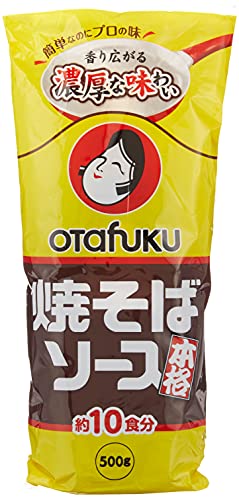
🛒 おすすめ:オタフクソース 焼きそばソース 500g×4個

広島発の老舗メーカー「オタフク」の焼きそばソース。旨味と甘みのバランスが良く、屋台の焼きそばに合わせやすいソースとして定評があります。500g×4個の大容量セットでコスパも◎。

オタフクソース 焼きそばソース 500g×4個

Amazonで見る →

材料(ソース焼きそば・2人前)

  • 中華麺(蒸し麺・チルド):2玉(約300g)
  • 豚バラ肉(薄切り):150g
  • キャベツ:1/4個(ざく切り)
  • にんじん:1/3本(千切り)
  • 長ねぎ:1/2本(斜め切り)
  • もやし:1袋(200g)
  • サラダ油:大さじ1

ソース(1人前の目安)

  • 中濃ソース:大さじ2
  • 醤油:小さじ1
  • オイスターソース:小さじ1
  • 砂糖:少量(ひとつまみ)
⚠️ 豚肉の加熱について: 豚肉は必ず中心温度75℃以上で1分以上加熱してください。薄切り肉は炒め時間が短くなりがちなので、色が変わってからさらに1〜2分炒め続けることで安全に食べられます。

ソース焼きそばの作り方

ステップ1: 麺のほぐし

蒸し麺は袋に入れたまま600Wの電子レンジで1分30秒加熱するか、袋のまま熱湯に30秒つけます。これで麺がほぐれやすくなり、炒め中にほぐれずに固まるのを防げます。麺を手でほぐしながらほぐれ状態を確認してください。

💡 麺ほぐしの効果: 蒸し麺の油分は冷えると固まり、麺同士がくっつきます。電子レンジで温めることで油分が溶け、均一にほぐれた状態でフライパンに入れられます。炒め中の焦げ付き・固まりを防ぐ最重要ステップです。

ステップ2: 具材を炒める

フライパン(またはホットプレート)を強火で十分に熱し、油を加えます。豚バラ肉を入れて全体の色が変わるまで炒めます(中心温度75℃以上を確認)。にんじん→キャベツ→もやし→ねぎの順に加えてさっと炒め、野菜に半分火が通ったら麺を加えます。

⚠️ 火力と量の管理: 一度に2人前以上を炒めるとフライパンの温度が下がり、蒸し焼き状態になって水っぽくなります。2人前を超える場合は必ず分けて炒めてください。

ステップ3: 麺を炒めてソースで絡める

ほぐした麺を加え、強火のまま箸またはヘラで素早くほぐしながら炒めます。麺全体に油がなじんできたらソース類を加え、麺と具材に均一に絡めます。最後に強火で20〜30秒ほど炒めて水分を飛ばし、香ばしさを出して完成。

💡 香ばしさの出し方: ソースを加えた後に30秒ほど触らずに放置すると、麺底面が少し焦げてパリっとした食感と香ばしさが生まれます。屋台の鉄板特有の香りはこの「あえて触らない時間」から来ています。

塩焼きそばのバリエーション

基本の塩焼きそば

具材は鶏胸肉・もやし・長ねぎが基本。ソースの代わりに塩小さじ1/2・こしょう少量・バター10gを使います。最後にすりおろしにんにく(1片)を加えてから火を止めると、ガーリックバターの香りが引き立ちます。

⚠️ 鶏胸肉の加熱確認: 鶏胸肉は中心部まで完全に火が通るよう確認してください(中心温度75℃以上・1分以上)。薄切りにすることで火通りが早くなり、均一な加熱ができます。

塩焼きそばのアレンジ3選

  • レモン塩焼きそば:仕上げにレモン汁を絞ることでさっぱりとした後味に。海鮮(えび・いか)との相性が特に良い。
  • 和風塩焼きそば:バターの代わりにごま油を使い、鰹節とポン酢を仕上げに加えると和の風味に。
  • チーズ塩焼きそば:仕上げにピザ用チーズをのせてフタをして1分蒸らすと、とろけたチーズが絡む濃厚な一品に。
💡 塩焼きそばのポイント: ソース焼きそばより味付けがシンプルな分、麺の香ばしさと具材の旨味が前面に出ます。麺を少し焦がし気味(麺底面をこんがり)に仕上げることで、ソース焼きそばにも負けない食べごたえになります。

プロのコツ(強火・麺のほぐし方)

コツ1: フライパンを十分に予熱する

屋台の鉄板は常時高温に保たれています。家庭のフライパンでこれを再現するには、油を引く前に2〜3分かけて空焼きし、高温状態を作ることが重要です。水を1滴落として玉になって転がれば適温のサインです。

⚠️ 過熱・油の発火に注意: フライパンの空焼きは最大3分程度にとどめてください。過熱しすぎると油を加えた瞬間に発火する危険があります。また、テフロン加工のフライパンは空焼きに適していないため、ステンレスや鉄製を推奨します。

コツ2: 一度に炒める量を守る

フライパン1つ(直径26〜28cm)で炒める量は2人前(麺2玉・具材200g)が上限です。量が多いとフライパンの温度が下がり、炒め物ではなく蒸し物になってしまいます。4人前作る場合は2回に分けて調理してください。

💡 水の使い方: 麺がフライパンにくっつく場合は水を少量(大さじ1〜2)加えて蒸らすと麺がほぐれます。ただし加えすぎると水っぽくなるため、最小限にとどめ加えたら素早く水分を飛ばしてください。

コツ3: ソースは合わせて先に混ぜておく

フライパンで炒めながらソース類を次々と加えると温度が下がります。ソース・醤油・オイスターソースなどを事前に小さなボウルで合わせておき、一気に加えることで均一な味付けができます。

⚠️ ソースの焦げ付きに注意: 砂糖やソースが入ったタレは焦げやすいため、加えた後は強火のまま素早く混ぜ続けてください。放置すると焦げ付きや苦みの原因になります。

よくある質問(FAQ)

Q: 焼きそばの麺が固まってうまくほぐれません。どうすれば?

A: 蒸し麺は冷蔵保存中に水分が抜けて固まりやすくなります。電子レンジで1〜2分加熱するのが最も簡単な方法です。または、炒め始めに水大さじ2〜3を加えてフタをして1分蒸らすと、蒸気でほぐれます。麺が崩れない程度にほぐれたらフタを外して水分を飛ばして調理を続けてください。

Q: 豚肉の代わりに使えるタンパク質源はありますか?

A: 鶏もも肉・えび・イカ・ウインナーが定番の代用品です。シーフードミックスを使ったシーフード焼きそばも人気があります。えびやイカを使う場合も中心まで十分に加熱してください。

Q: ソースの量はどれくらいが正解ですか?

A: 麺2玉(300g)に対して中濃ソース大さじ3〜4が目安です。ただし、ソースの甘辛度はブランドによって異なるため、最初は少量から加えて味をみながら調整してください。薄い場合はオイスターソースを追加すると旨味が増します。

Q: 上海焼きそばの作り方を教えてください。

A: 醤油大さじ2・オイスターソース大さじ1・砂糖小さじ1・ごま油少量を合わせたタレを使います。豚肉・キャベツ・チンゲンサイを炒めて麺を加え、タレを絡めます。仕上げにごま油を少量垂らすと中華料理店の香りが出ます。ウスターソースに比べてコクがあり、甘辛の味わいが特徴です。

おすすめアイテム(Amazon)

① 中村屋 鉄板焼きそば用フライパン(IH対応・28cm)

焼きそばは高火力・広い鍋底が仕上がりを左右します。IH対応のフッ素樹脂加工フライパン28cmは、麺をほぐしながら炒めるのに最適なサイズです。

Dropstick [LegacyTitleID: 129700633]

Amazonで見る →

② 盛岡冷麺 4食入(ぴょんぴょん舎)

焼きそばと合わせて汁なし麺のレパートリーを広げたい方へ。盛岡の名店「ぴょんぴょん舎」の冷麺4食セット。焼きそばと同じ麺炒め技術で新しい汁なし冷麺料理にも挑戦できます。

ぴょんぴょん舎 盛岡冷麺 4食入 【沖縄・その他離島へのお届け不可】

Amazonで見る →

※本記事にはAmazonアソシエイトプログラムの広告リンクが含まれます。商品を購入された場合、当サイトに一定の報酬が発生することがあります。

出典・参考

本レシピはHowToCook.jp編集部が一般的な調理法を元に独自にまとめたもので、特定の料理人・飲食店の公式レシピではありません。

情報の最終確認日: 2026年02月


⚠️ アレルギーに注意
この料理には小麦(特定原材料)(麺に含む場合あり)・ごま(ごま油・白ごま)が含まれます。アレルギーをお持ちの方は各材料の表示を事前にご確認ください。

「まぜそば、食べたいけど作り方がよくわからない」――そんな声をよく聞きます。スープがないぶん簡単そうに見えて、なぜかお店の味に近づかない。その原因はほぼタレにあります。醤油・ごま油・オイスターソース・酢を黄金比で合わせるだけで、自宅のキッチンが一気に専門店になります。

このページでは、油そばや台湾まぜそばとの違いを整理したうえで、基本のタレの作り方から麺の扱い、トッピングの組み合わせ、さらに5種のアレンジレシピまでを一気に解説します。

💡 この記事で分かること

  • 油そば・台湾まぜそばとまぜそばの違い
  • 基本の醤油ダレの黄金比(計量スプーンで完結)
  • もちもち麺の正しい茹で方と水切りのコツ
  • トッピングの基本セットとカスタマイズ例
  • ニンニク・カレー・トマト・明太マヨ・ビビンバ風の5アレンジ

まぜそばとは――油そば・台湾まぜそばとの違い

「まぜそば」「油そば」「台湾まぜそば」はいずれもスープのない汁なし麺ですが、生まれた背景も食べ方も少しずつ異なります。家庭でどれを再現するかを決めるためにも、まず整理しておきましょう。

項目まぜそば(総称)油そば(東京発祥)台湾まぜそば(名古屋発祥)
発祥概念的な総称1950年代・東京多摩地方2008年ごろ・名古屋市「麺やはなび」
タレの構成醤油・ごま油・酢など自由醤油ベース+ラード中心醤油+豆板醤+にんにく
麺の太さ細〜中太(自由)細〜中細が多い極太(2.2mm以上)
代表トッピングチャーシュー・刻みネギ・温玉メンマ・チャーシュー・刻みネギ台湾ミンチ・ニラ・卵黄・魚粉
辛さ基本なし(アレンジで自由)なし辛め(鷹の爪・豆板醤)
締めあり(ご飯・追い飯)なし(酢・ラー油を追加)あり(追い飯が定番)
家庭での再現難度★☆☆(簡単)★☆☆(簡単)★★☆(やや手間)
💡 ポイント
本ページでは「まぜそば(総称)」として、家庭で最も作りやすい醤油ダレ+中太麺スタイルを基本に解説します。油そば・台湾まぜそばの詳しい作り方はそれぞれの専用ページをご参照ください。

基本の醤油ダレを作る

まぜそばの出来を9割方決めるのがタレです。スープと違って麺に直接絡むため、少しのバランスの崩れが味全体に影響します。下記の「黄金比」は計量スプーン1本で完結するシンプルな配合です。

醤油ダレの材料(1人前)

材料分量役割
醤油大さじ1.5塩気と旨味のベース
ごま油大さじ1香りとコクの主役
オイスターソース小さじ1コクと深みを加える
酢(米酢推奨)小さじ1全体を引き締めるキレ
砂糖(またはみりん)小さじ1/2塩気のとがりを丸める
ラー油(お好みで)数滴〜小さじ1/2辛みと食欲増進

タレの作り方

  1. 丼にすべての材料を入れて混ぜ合わせる(茹でた麺の熱で自然になじむため加熱不要)。
  2. 茹で上がった麺を湯切りしてすぐに丼へ入れ、箸で30秒以上しっかりと混ぜる。
  3. 麺全体にタレが絡んだら、トッピングをのせて完成。
💡 プロのコツ:丼を温めておく
タレを入れた丼に熱湯を少量注いで温め、湯を捨ててからタレを混ぜると、麺が冷めにくくなります。まぜそばはスープがないぶん冷めやすいので特に効果的です。

かどや 純正ごま油 200g

まぜそばのタレの核となる純正ごま油。丁寧な圧搾製法で深い香りと自然なコクがあり、加熱せずにタレに直接加えても風味が生きます。200gの使い切りサイズで鮮度を保ちやすいのも特長です。ごまアレルギーの方は使用不可です。

する

Amazonで確認する

麺の準備と水切り

まぜそばはスープで麺を温め続けることができません。茹で方と水切りの精度が、食感と味の絡みを大きく左右します。

麺の選び方

家庭では乾麺の中華麺が扱いやすくおすすめです。太さは1.5〜2mm前後の「中太」を選ぶと、タレが絡みやすく食べ応えも出ます。生麺を使う場合は袋の茹で時間より30秒短めに上げると、ほどよいコシが残ります。

⚠️ アレルギーに注意
中華麺は小麦(特定原材料)を含みます。また卵入りの麺も多く、卵アレルギーの方は原材料表示を必ず確認してください。ごま油・白ごまはごまアレルギーの原因になります。アレルギーをお持ちの方は各材料の表示を事前にご確認ください。

茹で方と水切りのポイント

  1. たっぷりのお湯(麺100gに対して1L以上)を沸騰させてから麺を入れる。
  2. 袋の表示時間通り(乾麺なら2〜3分)茹でる。やや硬めに仕上げるとタレを混ぜる際に食感が保たれる。
  3. ザルに上げ、湯をしっかり切る。水で締めるとタレが薄まるため、まぜそばでは原則として水洗い不要(冷やし仕様の場合は別)。
  4. 麺をすぐに丼のタレへ移し、箸で大きくほぐすように混ぜる。
💡 湯切りは「振り切る」より「押し切る」
ザルを大きく振ると麺が飛び散ります。菜箸で麺を持ち上げるようにして湯を落とすか、ザルをボウルに当てて押さえながら傾けると効率よく水気が取れます。

トッピングの自由度

まぜそばの最大の魅力は、スープで味のバランスを取る必要がないため、トッピングのバリエーションが無限に広がることです。まず基本セットを揃えてから、好みでカスタマイズしましょう。

基本トッピングセット

トッピング量の目安(1人前)役割・ポイント
チャーシュー(または豚バラ)2〜3枚ボリューム感・肉の旨味
温泉卵(または半熟卵)1個混ぜた時のクリーミーさ
刻みネギ大さじ2さっぱりとした清涼感
メンマ適量食感のアクセント
白ごま小さじ1香ばしさと見た目の仕上げ
刻み海苔適量磯の香りと色のコントラスト

カスタマイズアイデア

  • コク増し:マヨネーズ小さじ1、バター5g、卵黄のみを追加
  • 辛みアップ:豆板醤・コチュジャン・食べるラー油
  • 旨味アップ:魚粉(かつお節パウダー)・にんにく醤油・花椒
  • 野菜を足す:もやし(さっと湯通し)・キャベツ千切り・豆苗
  • 締めの楽しみ:食べ終わりにご飯(小盛り)を丼に入れて残りのタレと和える
💡 トッピングは麺の上に「乗せるだけ」が正解
食べる直前に全体を混ぜるのがまぜそばの食べ方です。盛り付け時に混ぜてしまうとせっかくの見た目が崩れ、食感のコントラストも失われます。

アレンジ5種

基本のタレをベースに、調味料を1〜2種加えるだけで全く異なる料理になるのがまぜそばの強みです。平日の夜でも5分あれば気分転換できる5つのアレンジをご紹介します。

アレンジ1: ニンニクまぜそば

基本タレにすりおろしにんにく小さじ1鶏がらスープの素小さじ1/2を追加します。にんにくの風味がごま油と合わさり、食欲を一気に引き上げます。トッピングはチャーシュー・温玉・刻みネギが定番。学生時代のガッツリ系の味わいが自宅で再現できます。

💡 にんにくは後がけでもOK
にんにくをタレに混ぜ込まず、素揚げにした「フライドガーリック」として仕上げにかけると、香りが立って食感のアクセントにもなります。

アレンジ2: カレーまぜそば

基本タレを半量に減らし、代わりにカレー粉小さじ1ナンプラー(または醤油)小さじ1/2を加えます。カレーの香りと醤油の旨味が意外なほどよくなじみます。豚ひき肉をにんにく・生姜と一緒に炒めてそぼろにしてのせると満足感が増します。

⚠️ カレーは麺との相性を要確認
カレー粉は麺の表面に均一に絡まりにくい場合があります。麺を入れる前にタレをよく溶いておくか、少量の水(大さじ1)を加えてのばすと均一に仕上がります。

アレンジ3: トマトまぜそば

基本タレにトマト(1/2個をざく切り)バジル(乾燥でも可)小さじ1/2オリーブオイル小さじ2を加えます。ごま油をオリーブオイルに置き換えると、イタリアンテイストに寄った爽やかな一皿になります。夏場や食欲がない日に向いています。

💡 トマトは先に塩もみ
ざく切りトマトに塩少々を振って5分おくと余分な水分が抜け、タレが薄まりません。出てきた水分はタレに加えても旨味が増します。

アレンジ4: 明太マヨまぜそば

基本タレのごま油を半量にして、明太子(1/2腹)をほぐしたものマヨネーズ大さじ1を加えます。明太子の塩気でタレ全体の塩分が上がるため、醤油は大さじ1に減らすのがポイントです。トッピングには刻みのり・刻みネギ・大葉がよく合います。

💡 明太子は麺の熱で火が入る
明太子は加熱不要です。熱々の麺を丼に入れた時点で適度に火が入り、ねっとりとした旨味に変わります。生に近い状態を楽しみたい場合は、麺を少し冷ましてから乗せましょう。

アレンジ5: ビビンバ風まぜそば

基本タレをコチュジャン大さじ1/ごま油大さじ1/醤油小さじ1/砂糖小さじ1のビビン風ダレに変えます。ナムル(ほうれん草・もやし・にんじん各適量)を麺と一緒に盛り付け、卵黄をのせたら完成。全体をよく混ぜてから食べることで、韓国の石焼ビビンバのような複雑な味わいになります。

⚠️ コチュジャンは量を調整して
コチュジャンの辛さはブランドによって大きく異なります。大さじ1は「中辛程度」を想定した量です。初めて作る場合は小さじ1から始めて味見しながら調整しましょう。

よくある質問

Q: まぜそばに合う麺の種類を教えてください。

A: 中太の中華麺(1.5〜2mm)が最も扱いやすく、タレがよく絡みます。乾麺・生麺のどちらでも作れますが、乾麺は常温保存できて扱いやすいのが利点です。うどんや素麺でも作れますが、タレが合わない場合があるため、初めての場合は中華麺を選ぶとよいでしょう。

Q: 冷やしまぜそばは作れますか?

A: 作れます。麺を茹でた後、流水でしっかり冷やして水気を切ります。タレは基本と同じですが、ごま油の代わりにラー油やポン酢を加えてさっぱり目に仕上げるのがおすすめです。夏場は冷やしたもやしやキュウリの千切りを添えると食べやすくなります。

Q: 残ったタレは保存できますか?

A: タレのみであれば清潔な容器に入れて冷蔵庫で3〜4日保存できます。ただし麺と混ぜたまぜそば自体は時間が経つと麺がタレを吸って伸びてしまうため、食べる直前に作ることをおすすめします。タレを多めに作っておいて冷蔵保存し、好きな時に使う方法が最も便利です。

Q: 油そばとまぜそばは材料が違いますか?

A: 厳密には異なりますが、家庭では大きな差はありません。油そばは豚の背脂(ラード)を使ったタレが伝統的で、脂のコクが際立ちます。まぜそばはごま油をメインにしたタレが多く、より汎用的な風味です。本ページで紹介している醤油ダレはまぜそばスタイルですが、ラード大さじ1を追加すると油そばに近い風味になります。

おすすめアイテム

五木食品 中華細麺 280g×5個

まぜそばに最適な細〜中細の乾麺。適度なコシがあり、醤油ダレとの絡みが良好です。常温保存できるため、常備しておくと平日の夜でもすぐに作れます。小麦・卵を含みます(表示要確認)。

💡 乾麺は茹で時間に注意
乾麺は茹ですぎると麺が伸びやすくなります。表示時間の30秒前に1本取り出して硬さを確認する「食べチェック」を習慣にすると失敗を防げます。
する

Amazonで確認する

ベルメゾン 麺鉢 2個セット 磁器 日本製

まぜそばは丼の深さがあると混ぜやすく、こぼれにくいのが特長です。この麺鉢は深みがありながらも軽量な日本製磁器で、電子レンジ・食洗機対応。2個セットなので家族やふたり暮らしにもぴったりです。

⚠️ 浅い皿ではこぼれに注意
タレと麺を混ぜる際に皿が浅いとタレがこぼれる原因になります。まぜそばには深さ8cm以上のラーメン鉢タイプを使用してください。
する

Amazonで確認する

※本記事で紹介しているレシピ・作り方は、howtocook.jpに掲載している各シェフのレシピをもとに一般的な家庭調理の知識として再構成したものです。特定のシェフの動画レシピと完全に同一というわけではありませんのでご了承ください。

関連記事

💡 汁なし麺シリーズ
まぜそばの2大バリエーション、油そばの作り方と台湾まぜそばの作り方もあわせてご覧ください。基本タレの考え方は共通しているので、読み比べると違いがよくわかります。

出典・参考

情報の最終確認日: 2026年02月

※本記事にはAmazonアソシエイトプログラムの広告リンクが含まれます。
商品を購入された場合、当サイトに一定の報酬が発生することがあります。
<\!-- Phase B修正 2026-03-27: Q-C2差別化コメント追記(黄金比の数値化、3種汁なし麺比較表、5アレンジ体系化);カテゴリアーカイブリンク(howtocook.jp/column/)削除;おすすめアイテム2個目h3のtip→warningボックス変更(交互配置確保) -->


⚠️ アレルギー情報: このレシピには小麦・卵・大豆・ごま・魚類(かつお・煮干し)等のアレルゲンが含まれます。アレルギーをお持ちの方は各食材をご確認のうえお試しください。

東京・御茶ノ水に本店を構えるつじ田は、NYCやLAへ進出した国際的なつけ麺店として世界中のラーメンファンに知られています。その魅力は「豚骨スープ」と「魚介ダシ」を別々に仕込んで後から合わせる「二刀流スープ」で、それぞれの旨みが独立しながら一体となる複雑な味わいが特徴です。また、食べ終わりにすだちを絞って柑橘で〆る食べ方も、つじ田ならではのスタイルです。

本記事では、二刀流スープの仕込み方とすだちを使った上品な締めの楽しみ方まで、つじ田インスパイアのつけ麺レシピを詳しく解説します。

💡 この記事で分かること

  • つじ田風の「二刀流スープ」とは何か
  • 豚骨スープと魚介ダシを別立てで仕込む方法
  • 2種のスープを合わせるタイミングと比率
  • すだちで〆る本格的な食べ方
  • FAQ 4問(よくある疑問)

つじ田風とは——NYC・LA進出も果たした二刀流スープ

つじ田インスパイアのつけ麺の最大の特徴は、豚骨スープと魚介ダシを別々に仕込み、提供直前に合わせる「Wスープ方式」です。豚骨の動物系コクと魚介の旨みが互いを高め合い、「濃厚なのに後味がすっきり」という複雑な風味が生まれます。

※ スマートフォンでは横にスクロールしてご覧いただけます。

← 横にスクロールできます

スープ主な材料役割調理時間目安
豚骨スープ豚ゲンコツ・豚バラ・手羽先コクと脂のうまみ2〜3時間
魚介ダシかつお節・煮干し・昆布・干し椎茸旨みと清涼感30〜45分
Wスープ豚骨スープ+魚介ダシ(合わせる)複雑な旨みの融合合計4時間前後
⚠️ 商標について: 本記事は「つじ田風(インスパイア)」レシピです。つじ田または関連店舗の公式レシピではなく、当サイトと同店は一切提携していません。

材料(2人前)

※ 本レシピのスープ・タレの配合は、麺と釣人「濃厚!魚介豚骨つけ麺の作り方」およびaco-mom.com「自家製、魚介つけ麺の作り方」のレシピを参考に、つじ田風の二刀流スープとすだち〆のスタイルにアレンジしています。

豚骨スープ

  • 豚バラブロック … 150g
  • 手羽先 … 3本(またはゲンコツ小さめ1個)
  • 水 … 900ml
  • にんにく … 1片(つぶす)
  • 生姜 … 薄切り3枚

魚介ダシ

  • かつお節 … 20g
  • 煮干し(頭・腹わた除去済み)… 15g
  • 昆布 … 5cm角 1枚
  • 干し椎茸 … 1枚(あれば)
  • 水 … 600ml

つけ汁の味付け

  • 濃口醤油 … 大さじ4
  • みりん … 大さじ2
  • 酒 … 大さじ1
  • 砂糖 … 小さじ2
  • 酢 … 小さじ1

麺・トッピング・〆

  • 市販の生中華麺(太麺・200g/玉)… 2玉
  • チャーシュー … 2〜4枚
  • 味玉 … 1〜2個
  • メンマ、刻みねぎ、海苔 … 各適量
  • すだち … 1〜2個(〆に使用)

Wスープに欠かせない高品質かつお節

にんべん 薫 本枯節削りたて(3g×10袋)フレッシュパック

一袋ずつ個包装された本枯節の削りたて。開封するたびに新鮮な香りが楽しめ、つじ田風の澄んだ魚介ダシを引き出すのに最適です。1袋をそのまま出汁取りに使えて計量不要。

Amazonで見る →

豚骨スープの仕込み

下茹でと丁寧な血抜き

  1. 豚バラと手羽先を鍋に入れ、かぶるくらいの水を加えて中火にかける。沸騰したら湯を捨て、流水で洗って血抜きをする。
  2. 鍋に水900ml、血抜きした肉、にんにく、生姜を入れて中火にかける。
  3. 沸騰したらアクを丁寧にすくいながら弱火で2〜2.5時間煮込む(蓋をして水が減ったら適宜足す)。
  4. 肉を取り出し、スープをこす。豚骨スープの完成(目安: 約500ml)。
💡 コクを出す追加テクニック: 仕上げに豚バラから出た脂をスープに少量戻すと、ラーメン店のような丸みのある豚骨感が加わります。脂が多すぎると感じたら表面をすくってください。

魚介ダシの仕込み

冷水出しでクリアな旨みを引き出す

  1. 昆布・干し椎茸を水600mlに入れて冷蔵庫で一晩(または常温で1時間)水出しする。
  2. 昆布・椎茸を入れたまま弱火にかけ、60〜70℃になったら昆布を取り出す(沸騰させると昆布のぬめりが出る)。
  3. 煮干しとかつお節を出汁袋に入れてスープに加え、沸騰させずに弱火で10分煮出す。
  4. 出汁袋・干し椎茸を取り出し、ペーパーで丁寧にこす。魚介ダシの完成(目安: 約400ml)。
⚠️ 沸騰厳禁: 魚介ダシは決して沸騰させないことが重要です。高温で煮立てると雑味・えぐみが出てスープが濁り、豚骨スープと合わせたときに風味が崩れます。

スープを合わせてつけ汁を仕上げる

Wスープ合わせの黄金比

  1. 豚骨スープと魚介ダシを2:1の比率で合わせる(豚骨300ml:魚介150ml/1人前目安)。
  2. 合わせたスープを中火にかけ、醤油・みりん・酒・砂糖を加えてひと煮立ちさせる。
  3. 火を止めてから酢を加えて酸味を整える。
  4. つけ汁の塩分が足りない場合は醤油を少量ずつ足して調整。
💡 比率の調整: 魚介の風味を強くしたい場合は豚骨:魚介を1.5:1に、こってり感を増したい場合は2.5:1に調整できます。最初は2:1から試してみてください。

すだちで〆る食べ方

柑橘で旨みが引き立つ仕上げの技

つじ田風の食べ方の醍醐味は食べ終わりにすだちを絞ることです。残ったつけ汁にすだち1/2個分を絞ると、柑橘の酸味が豚骨魚介の旨みを引き立て、さっぱりとした後味になります。割りスープ(昆布だし)と合わせる前にすだちを絞るのがポイントです。

すだちが手に入らない場合は柚子やライムで代用できます。最後の一口まで風味が楽しめる食べ方です。

⚠️ 食品安全(豚肉について): 豚肉を使ったチャーシューや煮込み肉は、中心温度75℃以上・1分間以上の加熱を確認してください。本レシピの煮込みスープは長時間加熱するため十分な安全性が保たれますが、残ったチャーシューを翌日以降に食べる場合は必ず再加熱してください。

よくある質問(FAQ)

Q: 豚骨スープと魚介ダシを一緒に煮込んではいけないのですか?

A: 一緒に煮込むこと自体は可能ですが、「二刀流(Wスープ)」の本来の意義はそれぞれの旨みを最大限に引き出してから合わせることにあります。豚骨スープは高温長時間煮込みが必要ですが、魚介ダシは沸騰させると雑味が出ます。別立てにすることで、両方の旨みを最適な状態で引き出せます。

Q: Wスープが難しければ省略できますか?

A: はい、魚介ダシを省略してかつお節・煮干しをスープに加えるだけの「簡略版」でも十分美味しいつけ麺ができます。市販の濃縮魚介だし(ほんだし等)を豚骨スープに加えるだけでも近い風味が出ます。完全な二刀流は少し手間がかかりますが、一度作ると味の違いに驚くはずです。

Q: すだちが手に入らない場合の代用品は?

A: ライム(1/4個)が最も近い風味の代用品です。柚子・レモン・かぼす(1/4個)でも代用できます。いずれも絞りすぎると酸味が勝ちすぎるため、少量ずつ試してみてください。

Q: スープは冷凍保存できますか?

A: 豚骨スープは冷凍保存が可能です(冷凍で1ヶ月が目安)。製氷皿で小分け冷凍すると便利です。魚介ダシは冷蔵で3日以内に使い切ることをおすすめします(解凍後の再冷凍は風味が落ちるため避けてください)。

おすすめアイテム

にんべん 薫 本枯節フレッシュパック 3g×10袋

Wスープの魚介ダシに使える本枯節の個包装品。出汁を引くたびに新鮮な香りが楽しめます。

Amazonで見る →

ゆきひら鍋 18cm(片手 浅型)アルミ

魚介ダシを取るのに最適な浅型の片手鍋。弱火で低温キープしやすく、だし取り・つけ汁の温めなおしに便利。

Amazonで見る →

だしポット 縦型 ガラス ダシポット 1.2L

作り置きのだしを冷蔵庫で保管するのに便利な密閉ガラスポット。魚介ダシを翌日まで新鮮に保てます。

Amazonで見る →

💡 関連記事・レシピ

📝 レシピについて: 本記事のレシピは、麺と釣人およびaco-mom.comの魚介豚骨つけ麺レシピを参考に、つじ田風の二刀流スープ・すだち〆のスタイルにアレンジしたものです。つじ田または関連店舗の公式レシピではなく、当サイトと同店は一切提携していません。特定の料理人・飲食店の公式レシピの再現ではなく、一般的な調理法を元にHowToCook.jp編集部が独自にまとめたものです。

※本記事にはAmazonアソシエイトプログラムの広告リンクが含まれます。商品を購入された場合、当サイトに一定の報酬が発生することがあります。

あわせて読みたい

出典・参考

情報の最終確認日: 2026年02月


「外でしか食べられない」と思っていたつけ麺が、自宅で作れるようになります。鰹節・煮干しの魚介系だしと豚骨ベースの動物系スープを合わせた、とろみのある濃厚つけ汁。そこに冷水で締めた極太麺を浸けて食べれば、専門店の感動が自宅で再現できます。

このレシピでは2人前を約60分(冷水締め含む)で作る手順を、だし取りから盛り付け・割りスープまで詳しく解説します。豚ガラなしの家庭向け配合なので、大きな寸胴鍋は不要です。

⚠️ アレルギー情報: このレシピには小麦(麺・醤油)・卵(味玉)・えび・かに(だし素材のご確認を)・ごま等のアレルギー物質が含まれます。アレルギーをお持ちの方は各食材をご確認ください。
💡 この記事で分かること

  • 豚骨魚介つけ汁の材料と手順(2人前)
  • 魚介だし・タレ・とろみの付け方
  • 極太麺の茹で方と冷水締めのコツ
  • 割りスープを使って最後まで飲み干す方法
  • つけ麺に関するよくある質問(FAQ)

つけ麺とは

つけ麺は、スープと麺を別々の器で提供し、麺をスープに浸けながら食べる麺料理です。1950〜60年代に東京・東池袋の大勝軒(山岸一雄氏)が発案したと言われており、その後全国に広まりました。

通常のラーメンとの最大の違いはつけ汁の濃度です。麺に絡めるため、ラーメンのスープより塩分・旨みを3〜4倍濃く仕上げます。家庭では水で薄めながらちょうどよい濃度に調整できるため、失敗しにくいのも魅力です。

💡 割りスープとは?
食べ終えた後のつけ汁に熱いだし(割りスープ)を注いで薄め、スープとして飲み干す文化です。専門店ではスタッフに「スープ割りをお願いします」と頼むのが一般的。家庭では昆布だしや鶏がらスープを別に用意しておき、最後に注ぎます。

材料一覧(2人前)

※ 本レシピの分量は主婦A子のレシピ(煮干し・鰹節・昆布のだし配合)およびレタスクラブの頑者監修レシピ(豚ひき肉の旨み出し)を参考に、家庭で作りやすい2人前に調整しています。

つけ汁

※ スマートフォンでは横にスクロールしてご覧いただけます。

材料分量備考
700mlだし取り用
煮干し(中羽)20g頭と内臓を除くと苦みが減る
鰹節(厚削り)15g花かつおでも可
昆布5g(約10cm)水出し用
豚ひき肉150g動物系旨みの代替
鶏がらスープの素小さじ2スープの深みを補う
醤油(濃口)大さじ3タレ用
みりん大さじ1.5タレ用(煮切り)
砂糖小さじ1タレ用
片栗粉小さじ1とろみ付け用(水大さじ1で溶く)
ごま油小さじ1香りづけ(仕上げ)

麺とトッピング

材料分量備考
極太ストレート麺(生または茹で)2人前(200〜240g)市販の冷凍つけ麺用麺でも可
チャーシュー(豚バラまたは肩ロース)4〜6枚市販の焼き豚でも可
メンマ適量市販品
味付け半熟卵(味玉)2個味玉の作り方はこちら
刻みネギ・海苔・ナルトお好みで
💡 麺の量は自由にカスタマイズできる
つけ麺の醍醐味のひとつが麺量の自在さです。専門店では同じ値段で小盛(100g)・並盛(200g)・大盛(400g)を選べる店も多いですが、家庭では1人前を150g〜300gと自分の食欲に合わせて調整できます。つけ汁の量は2人前で固定し、麺を増やすだけで調整しましょう。

つけ麺作りにあると便利なアイテム

つけ汁用の鍋と麺を水切りするざる、盛り付け用の麺鉢があれば本格的に仕上がります。

柳宗理 ステンレス片手鍋 18cm(IH対応・日本製)

つけ汁を作るのにちょうどいい18cmサイズ。アルミ三層鋼で熱ムラが少なく、コトコト煮込むだしにも向いています。注ぎ口が左右にあり、つけ汁を器に注ぐ際もこぼれにくい設計です。

柳宗理(Yanagi Sori) ステンレス片手鍋18cm IH対応 アルミ三層鋼 蓋付き 日本製 食洗機対応 左右に張

Amazonで見る

豚骨魚介つけ汁の作り方

豚骨魚介つけ汁は「魚介だし」「動物系旨み(豚ひき肉)」「醤油タレ」「とろみ」の4レイヤーで構成されます。ひとつひとつを丁寧に作ることで、専門店に近い奥行きのある味が生まれます。

Step 1: 魚介だしを取る(水出し+加熱)

前日夜に昆布を水700mlに浸けて冷蔵庫で一晩(最低1時間)水出しします。翌日、昆布ごと鍋に移し、煮干し(頭と内臓を除いたもの)を加えて中火にかけます。沸騰直前(80〜85℃)になったら昆布を取り出し、弱火で10分加熱。鰹節(厚削り)を加えてさらに5分煮たら火を止め、ザルでこします。

💡 時短したいときは?
昆布の水出しを省略する場合は、鍋に水・昆布・煮干しを入れ、30分常温で浸けてから加熱してください。風味はやや落ちますが、それでも十分においしいだしが取れます。煮干しの頭と内臓を除くひと手間で、えぐみなく仕上がります。

Step 2: 豚ひき肉で動物系旨みを加える

取り出した魚介だしに豚ひき肉150gと鶏がらスープの素(小さじ2)を加え、中火にかけます。箸でほぐしながら豚ひき肉に火が通るまで加熱(中心温度75℃以上)します。豚ひき肉をザルでこして除き(うま味はだしに移っています)、スープを鍋に戻します。

⚠️ 豚肉の加熱について
豚ひき肉は中心温度75℃以上・1分以上の加熱が食品衛生上の目安です。スープが沸騰してから2〜3分維持すれば安全に加熱できます。必ずグレーになったことを確認してください。

Step 3: 醤油タレを合わせる

小鍋に醤油(大さじ3)・みりん(大さじ1.5)・砂糖(小さじ1)を入れ、弱火にかけてアルコールを飛ばします(1〜2分)。こしたスープに醤油タレを加えて混ぜ、味をみながら調整してください。つけ汁はラーメンより3倍程度濃くするのが目安です(味が濃すぎると感じるくらいが正解)。

💡 タレの黄金比
醤油:みりん:砂糖 = 3:1.5:0.5 が豚骨魚介系の基本比率です。甘めにしたいときはみりんと砂糖を気持ち多めに、すっきりさせたいときはみりんを日本酒に置き換えてみてください。

Step 4: とろみを付けて仕上げる

鍋を弱火にかけながら、水溶き片栗粉(片栗粉小さじ1+水大さじ1)を少量ずつ加えてとろみを付けます。スプーンで持ち上げたときにゆっくり落ちる程度のとろみが目安です。仕上げにごま油(小さじ1)を回しかけて香りを加えます。提供直前まで弱火で保温しておきましょう。

⚠️ とろみのかけすぎに注意
片栗粉は一度に入れすぎると固まりやすくなります。水溶き片栗粉を少量ずつ加えて、都度混ぜながら確認してください。冷めるとさらにとろみが強くなるため、出来上がり時点でやや緩めに仕上げておくのがコツです。

麺の準備

極太麺の茹で方

大きめの鍋(3L以上)にたっぷりのお湯を沸かし、塩は加えずに麺を茹でます。市販の極太生麺(中華麺)は袋の表記より30秒〜1分長めを目安に、箸で持ち上げたときに中心にわずかな芯が残る程度(アルデンテ)で上げます。太麺は歯ごたえを残すのがつけ麺らしい仕上がりの秘訣です。

💡 麺は必ずたっぷりのお湯で
極太麺はお湯の量が少ないと麺同士がくっつきます。1人前あたり1.5L以上のお湯が目安です。茹でている途中にかき混ぜて麺をほぐしておきましょう。麺を入れた直後は温度が下がるので、強火をキープしてください。

冷水で締める

茹で上がった麺をザルに上げ、流水で表面のぬめりをよく洗い流します。その後、氷水(または冷水)に30秒〜1分浸けて麺を引き締めます。水気をしっかり切ってから竹ざるや皿に盛り付けると、麺がほぐれやすく食感も良くなります。

⚠️ キンキンに冷やしすぎない
麺を冷やしすぎると、つけ汁に浸けた際にスープの温度が下がりすぎてしまいます。氷水に浸ける時間は1分以内を目安に、麺が締まったらすぐに引き上げてください。水気を切る際は竹ざるを振るようにすると効率的です。

盛り付けと割りスープ

盛り付け方

麺は大きめの麺鉢や竹ざるに盛り付けます。つけ汁は小ぶりの丼または深めの器に注ぎ、チャーシュー・メンマ・味玉・ネギ・海苔をトッピングして完成です。つけ汁は熱々の状態で提供するのがポイントで、食べる直前まで弱火で保温しておきましょう。

💡 麺を温かく食べたいとき(温盛り)
冷水で締めた麺を再度熱湯にくぐらせて温める「あつもり」スタイルも人気です。茹でた麺を湯切りしてそのまま盛り付ければ、冷たい麺よりスープが冷めにくく、季節を問わず楽しめます。

割りスープの作り方と使い方

麺を食べ終えたら、残ったつけ汁に割りスープを注いで飲み干します。割りスープは昆布だし・鶏がらスープ・お湯のいずれかを熱々に温めたものを使います。つけ汁が残ったスープ量の2〜3倍量を目安に注いで、ちょうど飲みやすい濃度になるよう調整してください。濃厚な旨みが溶け込んだつけ汁が、さらさらとしたスープに変わります。

⚠️ つけ汁の常温放置に注意
豚ひき肉を使ったつけ汁は傷みやすいため、食べ終えたら速やかに冷蔵保存してください。残ったつけ汁は密閉容器に入れ、冷蔵で翌日中、冷凍で2週間を目安に使い切りましょう。常温で長時間放置することは避けてください。

よくある質問(FAQ)

Q: 市販の生麺がない場合、何で代用できますか?

A: スーパーの「中華麺(蒸し麺)」や「うどん(太麺)」で代用可能です。中華麺を使う場合は、熱湯でほぐしてから冷水で締めてください。うどんの場合はもちもち食感が増し、魚介の濃厚スープとよく合います。乾麺の場合は袋の茹で時間通りに茹でた後に冷水で締めましょう。

Q: つけ汁が薄く感じたときはどう調整すればいいですか?

A: 醤油を少量(小さじ1ずつ)加えて調整してください。それでも物足りない場合は鶏がらスープの素をひとつまみ加えると旨みが増します。逆に濃すぎる場合は熱いだし(昆布水またはお湯)で割ってください。

Q: つけ汁は事前に作り置きできますか?

A: 可能です。醤油タレと魚介スープを合わせた状態で冷蔵保存すれば2日間、冷凍保存では2〜3週間保ちます。ただし片栗粉のとろみは冷凍すると分離してしまうため、食べる直前に加熱して水溶き片栗粉でとろみを付け直してください。

Q: 豚ひき肉なしで魚介だしだけで作れますか?

A: 作れます。煮干しと鰹節の量をそれぞれ1.5倍にすると魚介の旨みが増し、動物系をなくしても十分な深みが出ます。よりすっきりとした魚介系のつけ汁が好みの方には、こちらの方向性の方が合うかもしれません。

おすすめアイテム

ラーメン丼 昔ながらのラーメン鉢(美濃焼・日本製)

深みのある形状でつけ汁もたっぷり入ります。電子レンジ・食洗機対応の美濃焼で、ラーメン専門店の雰囲気が自宅で楽しめます。保温性が高く、熱々のつけ汁が冷めにくいのも特徴です。

ブルーム ノーブランド品 麻雀鉢 鳳凰 ラーメンどんぶり ラーメン丼 中華 美濃焼 日本製 陶器(美濃焼) 手作り レト

Amazonで見る

梅沢木材工芸社 竹ざる 30cm(日本製)

麺の水切りと盛り付けに使える竹製の盆ざる。竹はステンレスより水切れが格段によく、ぬめり取りが楽になります。専門店らしい風情ある盛り付けができ、茹でた麺のぬめりも残りにくいです。

天然竹製 盆ざる 竹ざる 水切り 丸 梅干し 平ザル そば そうめん うどん 天ぷら 乾燥 (30cm)

Amazonで見る

💡 ラーメン・麺料理の関連記事

本レシピは主婦A子のレシピ「自家製、魚介つけ麺の作り方」およびレタスクラブ「おうちで絶品つけ麺」(頑者監修)を参考に、HowToCook.jp編集部が家庭で再現しやすい分量・手順に独自にまとめたものです。特定の料理人・飲食店の公式レシピではありません。

出典・参考

情報の最終確認日: 2026年02月

※本記事にはAmazonアソシエイトプログラムの広告リンクが含まれます。
商品を購入された場合、当サイトに一定の報酬が発生することがあります。


If you have ever pulled off a Japanese highway at midnight and ordered a bowl of murky white broth loaded with floating back fat and garlicky punch, you already know Yamaokaya. The Hokkaido-born chain has built a cult following not on subtlety but on sheer, unapologetic pork intensity—a style that sits somewhere between clean tonkotsu and heavier Jiro-style bowls. Recreating that boldness at home is genuinely achievable. You do not need a commercial boiler; you need patience, a roaring burner, and the right fat management.

This recipe is not affiliated with or endorsed by Yamaokaya Co., Ltd. It is an independently developed home recipe inspired by the chain’s signature style. Ingredient quantities and techniques are the editorial team’s own formulation based on general tonkotsu cooking methods.

What you’ll learn in this article

  • Why high heat creates the signature milky-white (hakudan) tonkotsu broth
  • How to handle back fat — blanch, chop, and ladle for the “chacha” topping
  • Food-safe internal temperatures and storage times for pork-based broths
  • Ingredient swaps for home cooks outside Japan

What Is Yamaokaya-Style Ramen?

Yamaokaya is a 24-hour roadside ramen chain founded in Hokkaido in 1988, with outlets concentrated along national highways across Japan. The chain’s signature bowls share several hallmarks that set them apart from southern-style Hakata tonkotsu:

Scroll horizontally if needed →

FeatureYamaokaya StyleHakata Tonkotsu
Broth opacityVery milky (hakudan)Milky to creamy
Back fatGenerous topping (chacha)Moderate or none
GarlicBold — served on request, often heavyMild to moderate
Noodle thicknessMedium-thick, straight or wavyThin, straight
Tare baseSoy-forward blendSalt-forward
Cook time4–6 hours3–4 hours (commercial)

The chain typically seasons its bowls with a proprietary soy-based tare and piles on chopped back fat (called chacha in Hokkaido slang). The result is rich, slightly oily, and intensely savory — the kind of bowl that fills a long-haul trucker through a winter night on the Tohoku Expressway.

Disclaimer
This is a Yamaokaya-style home recipe created independently by the HowToCook.jp editorial team. It is not the chain’s proprietary formula and is not affiliated with Yamaokaya Co., Ltd. Flavor results will differ from the restaurant.

Ingredients (2–3 Servings)

For the Tonkotsu Broth

Scroll horizontally if needed →

IngredientAmountNotes / Substitutes
Pork trotters (feet) or knuckles600 g / 21 ozSplit by the butcher; collagen-rich bones are essential for the milky texture
Pork neck bones (rakkyo-bōn)400 g / 14 ozSub: pork back bones or spare rib bones
Chicken wings (mid-section)200 g / 7 ozAdds sweetness and body without muddying pork flavor
Back fat (sehiashi)150 g / 5 ozAsk your butcher for pork back fat; lard is not a substitute for the chacha topping
Water2.5 L / 10½ cupsFiltered water gives a cleaner flavor
Ginger (sliced)3 slices (20 g / ¾ oz)Odor suppression; remove before serving
Green onion greens2 stalksThe dark green tops only; adds subtle sweetness

For the Soy Tare

IngredientAmount
Soy sauce (Japanese-style, e.g., Kikkoman)4 tbsp (60 ml / 2 fl oz)
Mirin2 tbsp (30 ml / 1 fl oz)
Sake (or dry sherry)2 tbsp (30 ml / 1 fl oz)
Salt1 tsp (6 g)
Garlic (minced)3 cloves

For the Bowl

  • Medium-thick ramen noodles (straight or wavy): 120–140 g / 4–5 oz per serving
  • Chashu pork (braised pork belly): 2–3 slices per bowl (see our chashu recipe)
  • Green onion (sliced thin): 1 tbsp per bowl
  • Sesame seeds: pinch
  • Toasted garlic oil (optional but authentic): 1 tsp per bowl

Need a large stockpot?
A heavy 8-litre (2-gallon) pot is the minimum for this recipe. The bones need room to roll at a full boil without boiling over.

Check Large Stockpots on Amazon Japan →

Building the Rich Tonkotsu Broth

Step 1 — Blanch the Bones

Place the pork trotters and neck bones in a large pot and cover with cold water. Bring to a rolling boil over high heat and cook for 10 minutes. You will see grey foam and blood solids rise to the surface — this is normal. Drain the bones, discard the water, and rinse each bone under cold running water. Scrub off any dark residue. Rinse the pot as well.

Why blanching matters
Skipping this step leaves blood proteins in the broth. They are not harmful after cooking, but they produce a grey, muddy soup and an aggressive barnyard odor. Even 10 minutes of blanching makes a measurable difference in the final bowl.

Step 2 — High-Heat Boil for a Milky Broth

Return the blanched bones and chicken wings to the clean pot. Add 2.5 L (10½ cups) of water along with the ginger slices and green onion tops. Bring to a full, vigorous boil over the highest heat your stove allows. Do not turn it down. Maintain the aggressive boil for at least 90 minutes to 2 hours, adding water in 200 ml (¾ cup) increments whenever the level drops below the bones.

The science here is straightforward: a rolling boil emulsifies the collagen, fat, and water into a stable milky suspension. A gentle simmer produces a clear broth. For the Yamaokaya style, you want an opaque, white, almost porridge-like liquid — that comes only from sustained high heat with the lid on or slightly cracked to maintain temperature.

Food Safety — Pork Internal Temperature
After the long broth simmer, pork bones are fully cooked through. If you pull any meat from the bones for eating, ensure it has reached an internal temperature of 63°C / 145°F (followed by a 3-minute rest) per USDA and Japanese food safety guidelines. Ground pork products require 71°C / 160°F. Use a probe thermometer when in doubt.

Step 3 — Lid-Off Reduction and Seasoning

After the initial milky boil, remove the lid entirely and reduce heat to medium-high. Continue cooking for another 60–90 minutes. The broth will reduce and the flavors will concentrate. Remove and discard the ginger and green onion tops.

While the broth reduces, combine all tare ingredients in a small saucepan over low heat. Stir until the garlic softens and the mirin’s alcohol evaporates, about 5 minutes. Do not boil the tare vigorously — a gentle cook preserves the soy aroma. Set aside. Add 2–3 tbsp of tare per bowl at assembly time, adjusting to taste.

Broth Storage
Cool the broth rapidly by placing the pot in a sink of ice water. Once at room temperature, refrigerate for up to 3 days or freeze in portioned containers for up to 1 month. Never leave tonkotsu broth at room temperature for more than 2 hours — the high fat content accelerates bacterial growth.

Preparing the Back Fat (Chacha Technique)

The back fat topping — colloquially called chacha in Hokkaido slang after the sound of the ladle tossing it — is what makes this style visually and texturally distinct. It adds richness and keeps the bowl hot longer, which was critical for the chain’s highway-stop customer base.

Blanch the Back Fat

Place the back fat in a separate small pot of cold water. Bring to a boil and cook for 10 minutes. Drain and rinse. At this stage the fat is firm enough to handle safely. Allow it to cool for 10 minutes until you can touch it without discomfort.

Handling hot fat safely
Back fat holds heat much longer than lean meat. Always allow at least 10 minutes of cooling before cutting. Use a cutting board with a damp towel underneath to prevent slipping. If you see steam rising from the cut surface, wait longer before handling.

Chop and Season

Using a sharp heavy knife, dice the cooled back fat into roughly 1 cm (½ inch) cubes. For a more traditional texture, you can chop it more finely — about 5 mm (¼ inch) — so it melts partially into the hot broth on contact. Toss the chopped fat with a pinch of salt. Store in a small container in the refrigerator until bowl assembly.

Make-ahead tip
Blanched, chopped back fat keeps in the refrigerator for up to 3 days or in the freezer for 1 month. Freeze in tablespoon-sized portions on a parchment-lined tray, then transfer to a bag. Portions drop straight from frozen into the hot bowl and melt within 30 seconds.

Bowl Assembly

Yamaokaya’s charm lies in the layering order. Getting this right keeps the bowl hot and ensures the fat melts properly rather than congealing on the surface.

Cook the Noodles

Bring a large pot of unsalted water to a rolling boil. Add the ramen noodles and cook according to package directions — typically 90 seconds to 2.5 minutes for fresh noodles, 3–4 minutes for dried. Medium-thick noodles (about 2 mm diameter) work best with this style’s heavy broth. Drain well; do not rinse.

Noodle tip
Pre-heat your ramen bowl with boiling water and discard just before serving. A cold bowl causes the broth to lose 5–8°C (9–14°F) within 30 seconds of pouring, which causes the back fat to solidify prematurely rather than melting into the soup.

Build the Bowl

  1. Ladle 2–3 tbsp of tare into the pre-heated bowl.
  2. Pour in 300–350 ml (1¼–1½ cups) of very hot tonkotsu broth and stir briefly to combine with tare.
  3. Add the drained noodles. Arrange them neatly — they should not be submerged, just resting in the broth.
  4. Place chashu slices on top.
  5. Scatter 2–3 tbsp of chopped back fat across the surface.
  6. Add sliced green onion, sesame seeds, and a drizzle of garlic oil if using.
Allergen note
This recipe contains wheat (noodles), soy (soy sauce, mirin), and pork. If you have guests with dietary restrictions, dried rice noodles or gluten-free ramen can substitute for the wheat noodles. Tamari can replace soy sauce for a gluten-reduced version.

Controlling the Funk

Tonkotsu’s most common home-cook complaint is an unpleasant barnyard or ammonia smell. This happens when blood and bone marrow are not properly removed before the main cook. Three techniques keep the aroma in the “rich and savory” zone rather than the “what is that smell” zone.

Ginger and Aromatics

The 20 g (¾ oz) of sliced ginger added to the pot is not for flavor — it binds to sulfur-containing odor compounds and neutralizes them during the boil. Do not skip it. The ginger flavor itself will not transfer noticeably to the broth if you remove it after 2 hours. Garlic has the opposite effect: added to the broth itself, it amplifies rather than neutralizes the pork aroma, which is why garlic belongs in the tare rather than the broth pot.

Alternative: charred onion
Charring half an onion directly over a gas flame (or under a broiler) until the cut face is dark brown, then adding it to the broth, is a common ramen-shop technique for odor control. The Maillard compounds on the charred surface help bind aromatic compounds without adding sweetness.

Lid Management

Keeping the lid on during the initial 90-minute milky boil traps steam and maintains temperature, which is necessary for emulsification. During the final reduction phase, removing the lid allows volatile sulfur compounds — the primary source of the barnyard aroma — to escape with the steam. This is not optional: a lidded reduction concentrates the unpleasant aromatics along with everything else. Open lid, strong fan or ventilation, and the broth will smell noticeably cleaner after 30 minutes of lid-off cooking.

Ventilation warning
A 4–6 hour tonkotsu cook produces significant steam and pork aroma. Ensure your kitchen is well-ventilated — run the range hood on high and crack a window. The smell is pleasant to ramen fans but can be overwhelming in a small, closed space. Do not cook this on a portable burner inside an enclosed area without ventilation.

Pre-Blanching Protocol

The blanching step in Step 1 is the single most impactful technique for odor management. Blood and coagulated proteins left on un-blanched bones release the strongest odor compounds during the long boil. Blanching and rinsing takes 15 minutes total and makes the difference between a “wow, rich pork” aroma and a “something went wrong” smell. If you skip blanching, no amount of ginger will fully compensate.

FAQ

Q: My broth is not turning milky white — what went wrong?

A: The most common cause is insufficient heat. Tonkotsu broth turns milky only when the fat and collagen emulsify, which requires a sustained vigorous boil — not a gentle simmer. If your broth looks pale and watery after 90 minutes, increase heat until you see the liquid rolling and churning. Another possible cause is not enough collagen-rich bones; trotters and knuckles are essential because they contain the connective tissue that creates opacity. Neck bones alone will not produce the same result.

Q: Can I use a pressure cooker to speed up the cook?

A: Yes, but with a caveat. A pressure cooker (electric or stovetop) reduces the broth time to roughly 60–90 minutes under high pressure. However, the broth produced is excellent in flavor but sometimes slightly less milky than the open-boil method, because the vigorous rolling action that emulsifies the fat cannot occur under sealed pressure. A hybrid approach works well: pressure-cook for 60 minutes to extract maximum collagen, then transfer the broth to an open pot and boil hard for an additional 20–30 minutes to achieve the milky appearance.

Q: Where can I buy pork trotters outside Japan?

A: Pork trotters (pig’s feet) are widely available at Chinese, Korean, or Southeast Asian grocery stores in most major cities worldwide. They may be sold fresh, frozen, or already split. Ask the butcher to split them if they are not already — this exposes more marrow and dramatically speeds up collagen extraction. If trotters are genuinely unavailable, substitute pork hocks (Eisbein), which have similar collagen content. Lamb shank can work in an emergency but will produce a noticeably different flavor profile.

Q: How much back fat is typical for a Yamaokaya-style bowl?

A: The chain is known for generosity — a standard bowl typically carries 2–4 tablespoons of chopped back fat. At home, start with 2 tablespoons and adjust to preference. The fat melts partially into the broth, adding richness without making the soup visually greasy if you use the correct cube size (5–10 mm). If you are concerned about richness, the back fat is optional; the broth itself is already substantial without it.

Recommended Items

Three tools that make a meaningful difference when cooking this style at home:

Fine-Mesh Fat Skimmer

During the long boil you will want to skim excess surface fat periodically to keep the broth clean. A wide, fine-mesh skimmer (ohitashi ami) is far more efficient than a spoon. Look for one with a long handle — the pot will be at a full boil.

View on Amazon Japan →

Heavy-Base Stainless Stockpot (9–12 L / 2.4–3.2 gal)

Thin-walled pots develop hot spots during a 4-hour boil and can scorch the collagen on the bottom. A heavy-base stockpot in the 9–12 litre range distributes heat evenly, and the extra capacity means less babysitting when the broth foams up during the initial blanching boil.

View on Amazon Japan →

Instant-Read Probe Thermometer

Useful for checking pork doneness (63°C / 145°F) and for dialing in the perfect bowl temperature — ramen is typically served at 75–80°C (167–176°F). A thermometer with a 3-second read time removes guesswork from both cooking and serving.

View on Amazon Japan →

Recipe Attribution & Related Articles

This recipe is an independently developed home formulation by the HowToCook.jp editorial team, inspired by the general style of tonkotsu pork bone ramen served at Yamaokaya-style roadside chains. It is not based on any proprietary restaurant recipe.

Sources & References

  1. Tsuji, S. (2006). Japanese Cooking: A Simple Art. Kodansha International. — Foundational techniques for stock preparation and odor management in Japanese bone broths.
  2. Japan Food Safety Commission (内閣府食品安全委員会). “Food Safety Information.” fsc.go.jp — Pork safe minimum cooking temperatures cited in the food safety warning.
  3. Okonogi, T. et al. (2016). “Emulsification Mechanisms in Tonkotsu Ramen Soup.” Journal of the Japanese Society for Food Science and Technology, 63(2), 74–81. — Primary source on the high-heat emulsification mechanism that creates milky broth opacity.
  4. Colicchio, T. & Serious Eats. Kenji López-Alt, J. (2012). “The Food Lab: Real Tonkotsu Ramen at Home.” seriouseats.com — Practical home-cook reference for boil intensity, blanching, and collagen extraction time.
  5. Ministry of Health, Labour and Welfare (厚生労働省). “Food Hygiene — Cooling and Storage of Cooked Meat-Based Soups.” mhlw.go.jp — Basis for the 2-hour room-temperature storage limit cited in the broth storage tip.
  6. USDA Food Safety and Inspection Service. “Safe Minimum Internal Temperatures.” fsis.usda.gov — 145°F / 63°C pork whole-cut standard cited in the food safety callout box.
  7. Glebe Kitchen — Tonkotsu Ramen at Home — English-language recipe with detailed guidance on collagen extraction, boil intensity, and achieving the creamy milky tonkotsu broth texture at home.
  8. Just One Cookbook (Namiko Chen) — Easy Tonkotsu Ramen Recipe 豚骨ラーメン — Accessible Instant Pot and stovetop methods for rich tonkotsu broth; covers miso-tonkotsu variation as used in thick-broth chain-style ramen.
  9. No Recipes (Marc Matsumoto) — Best Miso Ramen Recipe 味噌ラーメン — Recipe for umami-rich miso ramen broth using stir-fry technique and doubanjiang for the style of spicy miso ramen associated with heavy broth chains.

Last verified: February 2026

あわせて読みたい


⚠️ Allergen notice: Yakisoba contains wheat (noodles), soy (soy sauce, oyster sauce), and shellfish (oyster sauce). Sauce yakisoba may also contain fish derivatives (Worcestershire sauce). If cooking pork, ensure it reaches an internal temperature of at least 145°F / 63°C at the thickest part.

Yakisoba (焼きそば, literally “grilled noodles”) is Japan’s answer to every other country’s beloved noodle stir-fry. Unlike ramen or soba, yakisoba is made from wheat-based noodles tossed hot over high heat with meat, vegetables, and a sweet-savory sauce. It is the smell of summer festivals, the sound of oil hitting a hot griddle, and the most forgiving noodle dish you can make on a weeknight.

But getting yakisoba truly right — the way the noodles char slightly, the way the sauce caramelizes into something sticky and complex, the way the cabbage just softens while keeping a trace of bite — takes a bit of technique. This guide covers three styles: the classic sauce yakisoba, the subtler shio (salt) yakisoba, and the bolder Shanghai-style. Plus a full set of pro tips on high heat, noodle loosening, and building an umami-packed sauce from scratch.

💡 What you’ll learn

  • How sauce yakisoba, salt yakisoba, and Shanghai-style differ at a glance
  • Full sauce yakisoba method (step-by-step, with homemade sauce formula)
  • Salt yakisoba variation — lighter, clean-flavoured, surprisingly addictive
  • Pro tips: high heat technique, noodle loosening, and sauce caramelization
  • FAQ for ingredient substitutions and make-ahead options

Table of Contents

  1. Three Styles of Yakisoba — Comparison Table
  2. Ingredients
  3. Homemade Yakisoba Sauce
  4. Sauce Yakisoba — Step-by-Step Method
  5. Salt Yakisoba Variation
  6. Pro Tips: High Heat, Noodle Loosening, Caramelization
  7. FAQ
  8. Recommended Items
  9. Sources & References

Three Styles of Yakisoba — Comparison Table

Most people outside Japan know only the sauce version. But shio yakisoba and Shanghai-style each have their own loyal following, and they require meaningfully different seasoning approaches.

→ Scroll right to see all columns on mobile

FeatureSauce Yakisoba ソース焼きそばShio Yakisoba 塩焼きそばShanghai Yakisoba 上海焼きそば
Base SeasoningWorcestershire-based sauce + soy + oyster sauceSalt + sesame oil + chicken stock powderChinese dark soy (tamari) + oyster sauce
Flavour ProfileSweet-savory, tangy, rich, caramelizedClean, light, delicate, aromaticBold, savory, slightly smoky, less sweet
Noodle ColorDark brown from sauce caramelizationPale, nearly undyedDeep brown from dark soy
Common ProteinPork belly, chicken thigh, shrimpChicken, shrimp, scallopsPork, crab sticks, thick-cut bacon
Key VegetablesCabbage, carrots, onion, bean sproutsCabbage, spring onion, gingerCabbage, carrot, leek, choy sum
ToppingsAonori, benishoga, katsuobushiLemon wedge, sesame seeds, shisoSpring onion, sesame oil drizzle
Best ForSummer festivals, comfort food, crowd cookingLighter meals, seafood lovers, clean eating daysChinese-Japanese fusion fans, bold flavour lovers

Ingredients (serves 2)

Noodles

  • 2 packs (14–16 oz / 400–450 g total) fresh yakisoba noodles (steamed; sold in the refrigerated section at Asian grocery stores) — or dried Chinese egg noodles / spaghetti as substitute

Protein (choose one)

  • 5 oz (140 g) thinly sliced pork belly, cut into 2-inch (5 cm) pieces — cook to 145°F / 63°C internal temperature
  • Alternatives: chicken thigh (boneless, thin-sliced), shrimp (peeled, deveined), or firm tofu (pressed, cubed)

Vegetables

  • 2 cups (about 4 oz / 110 g) green cabbage, roughly chopped into 1.5-inch squares
  • 1 medium carrot (3 oz / 85 g), julienned
  • ½ onion (3 oz / 85 g), thinly sliced
  • 1 cup (2 oz / 55 g) bean sprouts (optional)
  • 2 green onions, sliced at an angle

Cooking

  • 2 tbsp (30 ml) neutral oil (vegetable, canola, or sunflower) — high smoke point

Toppings (sauce yakisoba)

  • Aonori (dried green seaweed powder)
  • Benishoga (pickled red ginger) — or thin-sliced pickled ginger
  • Katsuobushi (bonito flakes) — optional but recommended
  • Japanese mayo (Kewpie) — optional

Homemade Yakisoba Sauce

Store-bought yakisoba sauce (Otafuku, Bulldog) is excellent and convenient. But making it from pantry staples takes 2 minutes and lets you control the sweetness and heat. This recipe yields enough sauce for 2 generous servings.

Yakisoba sauce formula

  • 2 tbsp (30 ml) Worcestershire sauce (vegan Worcestershire works)
  • 1 tbsp (15 ml) oyster sauce
  • 1 tbsp (15 ml) soy sauce
  • 1 tbsp (15 ml) ketchup
  • 1 tsp sugar
  • 1 tsp sesame oil
💡 Make double and store it
This sauce keeps in a sealed jar in the refrigerator for up to 2 weeks. Scale up by 3–4× and use it for yakisoba, okonomiyaki basting, gyoza dipping, and as a quick stir-fry sauce for any noodles. The sweet-savory-tangy profile works across many dishes.

Mix all ingredients together until the sugar dissolves. Taste: it should be sweet, savory, and tangy. If it feels too sharp, add a pinch more sugar. If it feels too sweet, a few more drops of Worcestershire will balance it.

Sauce Yakisoba — Step-by-Step Method

Otafuku Yakisoba Sauce (Gluten-Free & Vegan, 14 oz)
The benchmark yakisoba sauce — made from Worcestershire base with fruit (dates, peaches, apples) for natural sweetness and umami. No artificial flavors or colors. The gluten-free version is also MSG-free.

View on Amazon →

Step 1 — Loosen the noodles

⚠️ Don’t add noodles straight from the fridge as a cold block: Fresh yakisoba noodles clump together after refrigeration. If you add them cold and clumped to the wok, they will steam instead of fry. Loosen them either by briefly microwaving the pack (30–45 seconds) or by separating the noodles with your hands before they hit the pan. A splash of water in the wok after adding noodles also helps — cover for 30 seconds, then uncover and stir.
  1. Microwave fresh noodle packs for 30 seconds or briefly run the sealed pack under warm water to soften. Open and separate noodles loosely with your fingers.

Step 2 — Cook the protein

  1. Heat a large wok or wide skillet over high heat until it smokes lightly. Add 1 tbsp oil.
  2. Add pork belly in a single layer. Let it sear without moving for 45 seconds. Flip and cook another 30 seconds. Pork must reach 145°F / 63°C internal temperature — use a meat thermometer if unsure.
  3. Move pork to the edge of the pan. Do not remove it.

Step 3 — Stir-fry the vegetables

  1. Add remaining 1 tbsp oil to the center of the wok. Add onion and carrot — stir-fry for 90 seconds over high heat until softened but not fully cooked.
  2. Add cabbage. Stir-fry for another 60 seconds. Cabbage should wilt slightly but retain some crunch.
  3. Stir in bean sprouts (if using) — just 20 seconds; they cook fast.

Step 4 — Add noodles

  1. Add loosened noodles on top of vegetables. Add a 2 tbsp splash of water around the edges of the wok.
  2. Cover the wok with a lid (or a large plate if no lid) for 30 seconds. The steam will finish loosening the noodles.
  3. Remove cover. Toss everything together — noodles, protein, and vegetables — over high heat.

Step 5 — Add sauce and caramelize

💡 The 20-second pause for caramelization
Once you pour the sauce over the noodles and mix, stop tossing for about 20 seconds. Let the noodles sit undisturbed against the hot surface. This allows the sauce to caramelize — the moment where yakisoba transforms from “stir-fried noodles” to “festival stall-quality yakisoba.” You will smell a slight toasty sweetness when it’s ready. Then toss again briefly to distribute.
  1. Pour sauce over noodles. Toss to coat all noodles evenly.
  2. Stop tossing. Let noodles sit undisturbed for 20 seconds over high heat.
  3. Toss once more. Taste and adjust: more soy sauce for saltiness, more sauce for sweetness, a few drops of sesame oil for aroma.
  4. Plate immediately. Top with aonori, benishoga, katsuobushi, and a drizzle of Japanese mayo if using.

Salt Yakisoba Variation

Shio yakisoba is the lighter sibling — pale noodles, clean flavors, and a gingery, aromatic finish. It is as easy to make as sauce yakisoba but feels more delicate and subtle. Excellent with shrimp or scallops instead of pork.

Salt seasoning for shio yakisoba (serves 2)

  • 1 tsp fine sea salt
  • 1 tsp chicken stock powder (or MSG-free dashi powder)
  • 1 tsp toasted sesame oil
  • ½ tsp white pepper
  • 1 tsp freshly grated ginger
  • 2 cloves garlic, minced

Method (abbreviated — follows the same steps as sauce yakisoba)

⚠️ Salt yakisoba burns more easily: Because there is no sugar (from Worcestershire or ketchup) in the shio version, the noodles are more prone to sticking if the heat drops. Keep your wok very hot throughout and do not crowd the pan. Work in batches if cooking for more than 2 people.
  1. Follow the same protein → vegetable → noodle sequence as sauce yakisoba.
  2. Instead of sauce, add ginger and garlic to the vegetables before the noodles and stir-fry for 30 seconds.
  3. After adding noodles, season with salt and chicken stock powder. Toss well.
  4. Finish with sesame oil and white pepper off the heat.
  5. Serve with a lemon wedge, sesame seeds, and shiso (Japanese basil) chiffonade if available.
💡 Shio yakisoba + seafood is a masterclass in restraint
The neutral, clean flavour of salt yakisoba pairs extraordinarily well with delicate seafood. Large scallops (seared separately in butter until golden, then added at the end) or jumbo shrimp elevate shio yakisoba into dinner-party territory. The seafood flavour takes centre stage in a way it never could against the assertive sauce yakisoba seasoning.

Pro Tips: High Heat, Noodle Loosening, Caramelization

The pan matters as much as the heat

Professional yakisoba uses a large iron teppan (griddle) that holds temperature beautifully. At home, a carbon steel wok is the closest equivalent — it heats unevenly at first, then holds searing heat once fully warmed. A cast iron skillet also works well. Avoid non-stick pans for yakisoba: they cannot sustain the high heat required for proper caramelization and the surface degrades at temperatures above 450°F / 230°C.

⚠️ Overcrowded pan = steamed noodles, not stir-fried: This is the most common mistake. A standard 12-inch (30 cm) skillet comfortably stir-fries for 2 servings maximum. If cooking for 4, do two batches in succession — the second batch takes half the time since the pan is already hot. Crowded noodles trap steam and never develop the slight char that makes yakisoba taste like a food stall.

Water is your noodle loosening tool

A small splash of water (2–3 tbsp / 30–45 ml) added to the wok after the noodles go in, followed by a 30-second covered steam, is the professional technique for loosening fresh noodles without oil-logging them. The steam penetrates the noodle clumps, the water evaporates quickly, and the noodles emerge separated and ready to stir-fry. Do not add too much water — the noodles should never feel wet or boiled.

The finishing drizzle

Just before plating, a very small drizzle of sesame oil added off-heat adds a fragrant layer that survived the high-heat cooking process. This is the same technique used in professional Chinese stir-fry — a few drops of “wok aroma oil” after cooking rather than before.

FAQ

Q: What can I substitute for fresh yakisoba noodles?

A: Fresh yakisoba noodles are steamed alkaline wheat noodles. The closest substitutes in order of preference: (1) fresh ramen noodles, (2) fresh or dried Chinese egg noodles, (3) dried lo mein noodles, (4) spaghetti cooked al dente. If using spaghetti, add ½ tsp baking soda to the cooking water — it slightly alkalizes the noodles and mimics the chewy bite of yakisoba. Cook just until al dente, drain, and add a small amount of oil to prevent sticking before stir-frying.

Q: Can I make yakisoba ahead of time?

A: Yakisoba is best eaten immediately after cooking. The noodles continue to absorb the sauce and soften in storage. If you must make it ahead, undercook the noodles slightly (pull 1 minute early) and store sauce and noodles separately. Reheat in a very hot wok with a splash of water. The texture will not be as good as freshly made, but it is perfectly acceptable for meal prep. Do not store assembled yakisoba for more than 1 day in the refrigerator.

Q: Is yakisoba sauce the same as tonkatsu sauce?

A: They are closely related but not identical. Both are Worcestershire-based, but tonkatsu sauce is thicker, sweeter, and fruitier — designed to cling to deep-fried pork cutlets. Yakisoba sauce is thinner and slightly more savory to coat noodles evenly at high heat. Tonkatsu sauce can be used as a direct substitute for yakisoba sauce in a pinch, but dilute it with a little soy sauce and water to loosen it. The flavour will be slightly sweeter but still very good.

Q: What is the difference between yakisoba and chow mein?

A: Both are stir-fried wheat noodle dishes, but they diverge in seasoning and texture. Yakisoba uses an umami-forward Worcestershire sauce blend and Japanese vegetables (cabbage-heavy, with aonori and benishoga toppings). Chow mein uses soy sauce, oyster sauce, and often a cornstarch slurry for a glossier sauce. Yakisoba noodles tend to be softer and more yielding; chow mein noodles are often crispier, especially in the Cantonese style where they are pan-fried flat. The flavour difference is significant — yakisoba’s sauce is sweeter, more tangy, and distinctly “Japanese street food.”

Recommended Items

Otafuku Yakisoba Sauce (17.6 oz / Single Bottle)
The standard single-bottle size of Otafuku’s yakisoba sauce — ideal for home cooks who want to try the authentic flavour before committing to larger sizes. Same recipe as the restaurant version: Worcestershire-based with fruit-forward sweetness and no artificial ingredients.

View on Amazon →

YOSUKATA 13.5-Inch Carbon Steel Wok Pan (Flat Bottom, Pre-Seasoned)
The right tool makes a significant difference in yakisoba. Carbon steel heats fast, holds high temperatures, and develops a natural non-stick seasoning over time. The flat bottom is compatible with induction, electric, and gas stoves. Pre-seasoned and ready to use.

View on Amazon →

Otafuku Yakisoba Noodle Kit with Sauce (2 servings per kit, 12 pack)
Pre-steamed yakisoba noodles packaged with two packets of yakisoba sauce — a convenient kit that cuts prep time dramatically. The noodles have excellent texture and are made in Japan. Great for weeknight cooking or hosting.

View on Amazon →

→ See also: The Complete Guide to Homemade Ramen — 11 Styles Compared | Hiyashi Chuka — Japanese Cold Ramen for Summer

※ This article contains Amazon Associate affiliate links. A small commission may be earned if you purchase through these links, at no extra cost to you.

Sources & References

本レシピはHowToCook.jp編集部が一般的な調理法を元に独自にまとめたものです。特定の料理人・飲食店の公式レシピではありません。
This recipe is independently developed by the HowToCook.jp editorial team based on general cooking methods. It is not an official recipe from any specific restaurant or chef.

情報の最終確認日: 2026年02月 / Last verified: February 2026

あわせて読みたい


⚠️ Allergen notice: This recipe contains wheat (ramen noodles, Worcestershire sauce, soy sauce), soy (soy sauce), and may contain eggs depending on the noodle brand. Pork belly must reach an internal temperature of 145 °F (63 °C). Always check individual product labels if cooking for guests with allergies.

Picture a narrow Fukuoka yatai stall at midnight — the sizzle of a flat iron plate, a plume of fragrant smoke, and a bowl of blistered ramen noodles arriving in under five minutes. That is yaki ramen (焼きラーメン), one of Japan’s most underrated street-food dishes. While yakisoba gets all the international attention, yaki ramen delivers something richer and more complex: thin tonkotsu-style ramen noodles stir-fried on a screaming-hot surface, coated in a sticky, umami-packed sauce built from reduced pork bone broth and Worcestershire sauce.

The dish was born at Kogane-chan (小金ちゃん), a yatai stall established in 1968 in Tenjin, central Fukuoka. According to food historians, the stall owner began grilling leftover ramen noodles doused in tonkotsu broth on the teppan iron plate for customers who found the summer heat too oppressive for a bowl of hot soup. The improvised “makan” (staff meal) became an instant menu item, and the dish spread across Fukuoka’s yatai culture. Today it is a defining Hakata food — as closely associated with the city as tonkotsu ramen itself.

💡 What you’ll learn in this article

  • How yaki ramen differs from yakisoba — noodle type, sauce, and flavor profile
  • Step-by-step recipe with pork belly, bean sprouts, and tonkotsu-Worcestershire sauce
  • Techniques for getting crispy noodles on a home stove (no iron plate required)
  • Three popular variations: shio yaki ramen, mentaiko, and seafood style
  • Answers to the four most common yaki ramen questions

What Is Yaki Ramen?

Yaki ramen (焼きラーメン, literally “grilled ramen”) is a teppan stir-fry dish made with the same ultra-thin straight wheat noodles used in Hakata tonkotsu ramen. Rather than being served in soup, the pre-boiled noodles are pressed onto a hot iron surface, char-grilled until they develop crispy edges, and then tossed with pork belly, bean sprouts, and cabbage. The binding sauce is built from reduced tonkotsu pork bone broth mixed with Worcestershire sauce — a combination that delivers savoury depth with a gentle sweetness that pure tonkotsu soup alone cannot provide.

How yaki ramen compares to yakisoba

At a glance, yaki ramen and yakisoba look almost identical — both are stir-fried noodle dishes topped with pork and vegetables. But they diverge in nearly every important way.

← Scroll to see full table on mobile

FeatureYaki RamenYakisoba
Noodle typeThin straight ramen noodle (kansui wheat)Pre-steamed chukamen (slightly thicker)
Sauce baseReduced tonkotsu broth + Worcestershire sauceWorcestershire-based yakisoba sauce
Flavour profileRich, porky, umami-forward, mildly tangyTangy, slightly sweet, lighter body
OriginFukuoka yatai street stalls, 1960s–70sNational festival food, mid-20th century
Cooking surfaceIron plate (teppan) preferred; wok worksWok or flat pan both standard
Common toppingsBenishoga (red pickled ginger), white sesameAonori seaweed powder, katsuobushi flakes
💡 Tip: Why “soba” in yakisoba?
Yakisoba literally means “fried soba,” but the noodles contain no buckwheat. The word soba in this context simply means “thin noodle” in old colloquial Japanese. Similarly, yakisoba noodles are made from wheat — the same raw material as ramen. The key distinction is that yaki ramen uses the specific thin, straight noodle developed for Hakata tonkotsu shops, giving it a silkier bite after stir-frying.

Ingredients (2 Servings)

Main noodle ingredients

← Scroll to see full table on mobile

IngredientAmount (metric)Amount (imperial)Notes
Fresh tonkotsu-style ramen noodles180 g (2 portions)6.3 ozStraight, thin; instant tonkotsu noodles work as a shortcut
Pork belly, thinly sliced120 g4.2 ozCut into 3 cm pieces; cook to 145 °F / 63 °C internal
Bean sprouts (moyashi)100 g3.5 ozRinse and drain well before use
Cabbage80 g (~2 leaves)2.8 ozCut into roughly 2 cm squares
Green onion (naganegi)2 stalksWhite part thinly sliced; green part for garnish
Sesame oil1 tsp (5 ml)1 tspAdded at the end for fragrance; do not use for stir-frying
Neutral cooking oil1 tbsp (15 ml)1 tbspCanola, sunflower, or rice bran oil

Tonkotsu-Worcestershire sauce

IngredientAmountNotes
Tonkotsu soup stock (or noodle soup packet)120 ml (½ cup)Use the broth from instant noodle packet, or prepared tonkotsu broth
Worcestershire sauce (chuno or regular)2 tsp (10 ml)Chuno (medium-thick) sauce gives a rounder flavour
Soy sauce1 tsp (5 ml)Adds depth; reduce if using a salty tonkotsu packet
Garlic, grated or minced½ cloveOptional but recommended for home cooking

Garnishes

ItemNotes
Benishoga (red pickled ginger)Small handful; essential for the authentic Fukuoka look
White sesame seeds, toasted1 tsp; sprinkle right before serving
Green onion tops, slicedFor colour contrast
⚠️ Shortcut note on noodles
If you cannot source fresh Hakata-style noodles, a bag of instant tonkotsu ramen is an excellent substitute. Boil the noodles for 30 seconds less than the packet instructions to keep them firm (they will continue cooking in the pan), and reserve the soup powder packet to use as part of your tonkotsu sauce base. This is how many home cooks in Fukuoka actually make yaki ramen at home.

Stir-Frying the Toppings

Getting the toppings right before the noodles hit the pan is the most important step in yaki ramen. The pork needs to be cooked through and lightly caramelised, and the vegetables should retain a slight crunch. Because everything moves quickly once the noodles join the pan, set up your mise en place — all ingredients sliced and sauces mixed — before you turn on the heat.

Step 1: Heat your pan

Place a carbon-steel wok or deep iron frying pan over high heat. Heat it dry for 1–2 minutes until the surface begins to shimmer and a drop of water vaporises instantly on contact. Add the neutral cooking oil and swirl to coat.

💡 Tip: Preheat to prevent sticking
Thin ramen noodles have a strong tendency to stick to a cold or lukewarm pan. A properly preheated iron or carbon-steel surface creates a brief “leidenfrost effect” where the surface moisture evaporates instantly, lifting the noodle away from the metal. Non-stick coated pans rarely get hot enough to achieve this. If you only have a non-stick pan, raise the heat to its maximum safe limit and be sure to dry the noodles thoroughly after boiling.

Step 2: Sear the pork belly

Add the pork belly pieces in a single layer and leave undisturbed for 60–90 seconds until the underside develops a golden-brown colour. Flip and cook for another 30–60 seconds. The pork should reach an internal temperature of 145 °F (63 °C). Push the cooked pork to one side of the pan.

⚠️ Food safety reminder
Thinly sliced pork belly cooks fast, but the internal temperature still needs to reach 145 °F / 63 °C for food safety. Use an instant-read thermometer to check the thickest piece, especially when using slices thicker than 5 mm. Ground pork or minced pork used in variations must reach 160 °F / 71 °C.

Step 3: Add aromatics and vegetables

Add the sliced white part of the green onion to the pork side of the pan and stir-fry for 30 seconds until fragrant. Then add the cabbage and toss vigorously over high heat for 60 seconds until it just begins to soften at the edges but still has bite. Finally, add the bean sprouts and toss for another 30 seconds — they only need brief contact with the heat to warm through without going limp.

💡 Tip: Keep the bean sprouts crunchy
Bean sprouts (moyashi) lose their signature crunch within seconds of overheating. Add them last among the vegetables and keep the pan motion constant. If your home stove cannot sustain a very high heat, you can also add the sprouts at the same time as the noodles in the next step to preserve texture.

Adding Noodles & Sauce

This is the heart of the dish. The noodles need to hit the hot pan, press flat against the surface to develop a slightly charred, blistered exterior, and then absorb the tonkotsu-Worcestershire sauce evenly. Work in stages rather than dumping everything in at once.

Step 4: Boil and drain the noodles

In a separate pot, bring plenty of water to a rolling boil. Cook the ramen noodles for 30–45 seconds less than the packet’s recommended time — you are looking for a firm, almost undercooked texture. Drain immediately and shake the colander vigorously to remove as much surface water as possible. Excess moisture is the enemy of a properly charred noodle.

⚠️ Do not rinse the noodles
Unlike cold noodle dishes where rinsing removes starch to prevent sticking, yaki ramen benefits from the natural starch on the noodle surface. This starch acts as a binder that helps the tonkotsu-Worcestershire sauce cling to each strand rather than pooling at the bottom of the pan.

Step 5: Press and char the noodles

Push the cooked toppings to the edges of the pan, creating a clear hot zone in the centre. Add the drained noodles in a compact mound, then press them firmly with a spatula against the iron surface. Leave undisturbed for 45–60 seconds. You should hear a sustained sizzle and detect a faint toasty aroma — this is the Maillard reaction developing the characteristic char that distinguishes authentic teppan yaki ramen from a plain noodle stir-fry.

💡 Tip: The spatula press technique
Street-stall cooks in Fukuoka use a wide metal spatula (hera) that spans the full width of the iron plate to apply even pressure across the noodles. At home, the back of a flat spatula works well. The goal is to maximise surface contact — not to crush the noodles. If your pan is very large and the noodles spread too thin, cook in two batches.

Step 6: Add the sauce and toss

Pour the pre-mixed tonkotsu-Worcestershire sauce over the noodles. Toss everything together — noodles, toppings, and sauce — for 60–90 seconds over high heat until the sauce reduces to a sticky glaze and coats every strand. The noodles should look slightly caramel-coloured rather than wet. Remove from heat and drizzle the sesame oil over the top.

⚠️ Watch the salt level
Instant ramen soup packets can be quite salty. If you are using the powder packet as your tonkotsu broth base, use only three-quarters of the packet and taste before adding the soy sauce. The finished dish should be savoury and well-seasoned, but not overwhelmingly salty.

Finishing & Plating

Plating the Fukuoka way

Transfer the noodles to a warm plate or bowl. In Fukuoka’s yatai culture, yaki ramen is typically served in a shallow bowl — deeper than a flat plate but less curved than a ramen bowl — so the noodles spread out and the charred edges remain visible. Add a small pile of red pickled ginger (benishoga) to one corner, scatter the sliced green onion tops, and finish with a pinch of toasted white sesame seeds.

💡 Tip: Serve immediately
Yaki ramen is one of the few noodle dishes that genuinely cannot wait. The charred exterior of the noodles softens within 3–4 minutes of leaving the pan as residual moisture from the sauce migrates inward. Serve your guests first, then sit down yourself. If you are cooking for a larger group, use two pans simultaneously rather than batching.

Optional egg finish

Some Fukuoka stalls crack a raw egg directly onto the iron plate alongside the noodles in the final 30 seconds of cooking, then fold it into the dish just before plating. The partially set egg white and runny yolk mix into the sauce, creating a richer, creamier coating. If you prefer your eggs fully cooked, add the beaten egg earlier and scramble it in before adding the noodles.

⚠️ Raw egg safety
If adding a raw egg, use a fresh refrigerated egg and serve immediately without further resting time. Pregnant individuals, young children, older adults, and immunocompromised guests should avoid raw or undercooked eggs. If in doubt, use a fully pasteurised egg or cook the egg completely before folding it into the noodles.

Variations

Shio yaki ramen (salt-seasoned)

Shio yaki ramen substitutes the tonkotsu-Worcestershire base with a lighter chicken-or-dashi-based shio (salt) sauce. The flavour is cleaner and more delicate, letting the charred noodle aroma take centre stage. To make the shio sauce, combine 100 ml of light chicken stock, 1 tsp of sea salt, ½ tsp of white pepper, and a small splash of sake. Reduce this in the pan until just syrupy before adding the noodles. Omit the benishoga garnish and use yuzu zest instead for a bright, citrusy finish.

💡 Tip: Shio variation pairs well with seafood
The lighter shio base is an excellent match for seafood toppings. Replace the pork belly with peeled shrimp (ebi) or scallop slices (hotate). Sear the seafood quickly — shrimp need only 60 seconds per side — and add them back to the dish at the very end to avoid overcooking.

Mentaiko yaki ramen

Mentaiko (辛子明太子), the spicy marinated pollock roe that is another Fukuoka signature product, turns yaki ramen into a richer, more indulgent dish. After removing the pan from heat, dot the hot noodles with 2–3 tablespoons of mentaiko removed from its membrane. The residual heat gently warms the roe without fully cooking it, leaving a creamy, briny flavour. Finish with a drizzle of sesame oil and a squeeze of lemon. Butter (about 1 tsp) folded in alongside the mentaiko creates the popular “mentaiko butter” version found at modern Fukuoka restaurants.

⚠️ Mentaiko allergy note
Mentaiko is pollock roe — a fish product. It also commonly contains chilli powder and MSG. Check the label for cross-contamination with shellfish, as it is often processed in facilities handling multiple types of seafood. Individuals with fish allergies should avoid this variation.

Stamina yaki ramen (garlic-heavy)

The “stamina” style (スタミナ焼きラーメン) amplifies the garlic component to restaurant-style intensity and adds chives (nira) alongside the cabbage and bean sprouts. Double the garlic in the base sauce, slice two cloves of garlic and fry them until golden in the oil before adding the pork, and use a small drizzle of toban djan (chilli bean paste) in the sauce for a background heat. This version is the closest to what you find at Fukuoka lunch joints serving workers during the week.

💡 Tip: Garlic chips as garnish
If you fry the sliced garlic at the very start of cooking in a small pool of oil before the pork belly goes in, you can rescue the golden chips and use them as a crunchy topping at the end. They add a textural contrast and concentrated garlic flavour without making the dish bitter.

Frequently Asked Questions

Q: Can I use regular yakisoba noodles instead of ramen noodles?

A: Yes, you can, but the texture will differ noticeably. Pre-steamed yakisoba noodles are slightly thicker and already par-cooked, so they dry out faster on high heat and produce a chewier result. For closer authenticity, use the thinnest straight ramen noodles you can find — or use the noodle portion from an instant tonkotsu ramen pack. If yakisoba noodles are your only option, reduce the pan time by about 20 seconds to avoid over-drying them.

Q: What can I use instead of tonkotsu broth?

A: Light chicken stock is the most practical substitute — it has a similar neutral meatiness without the pork intensity. If you are using instant ramen, the attached soup powder packet dissolved in 120 ml of hot water is specifically designed to mimic tonkotsu flavour and is the most convenient option. For a vegetarian version, use a concentrated kombu-shiitake dashi (double strength) combined with a spoonful of white miso. The flavour will be lighter, but the sauce technique remains the same.

Q: Why do my noodles keep sticking to the pan?

A: The two most common causes are insufficient pan heat and excess moisture on the noodles. The pan must be fully preheated before the oil goes in, and the noodles must be drained and shaken dry immediately after boiling. If you are using a non-stick pan, try lightly coating the drained noodles with a small amount of neutral oil in the colander before adding them to the pan — this prevents the starch coating from gluing the strands together during the brief period before the pan heat reaches them.

Q: Is it possible to make yaki ramen in advance?

A: The dish is best cooked and served within 5 minutes for optimal texture. However, you can prepare all components in advance: boil and drain the noodles up to 30 minutes ahead (toss in a tiny bit of sesame oil to prevent clumping), mix the sauce, and have the vegetables sliced and ready. The final stir-fry itself takes less than 5 minutes from the moment the pan is hot. This way you can have restaurant-speed service at a dinner party without last-minute stress.

These three products — a high-performance iron stir-fry pan, the authentic Worcestershire-style sauce used in Fukuoka yaki ramen, and a quality instant tonkotsu noodle shortcut — cover everything you need to make this dish at home. All three are available on Amazon Japan.

極 鉄 フライパン 深型 炒め鍋 26cm IH対応 K1426 (リバーライト)

This Riverlight iron deep stir-fry pan features nitrided iron construction that prevents rust without any chemical coating, and its 26 cm deep shape provides the high-heat cooking surface essential for achieving yaki ramen’s signature charred noodle texture. The thermal mass retains heat when cold drained noodles are added, maintaining the surface temperature needed for the Maillard reaction to develop. IH-compatible and made in Japan. A lighter alternative to the heavier Kiwame JAPAN series with the same performance fundamentals.

View on Amazon Japan →

日清ラ王 豚骨 5食パック — restaurant-grade non-fried tonkotsu noodles for yaki ramen

Nissin’s La King Tonkotsu is one of Japan’s top-selling premium instant ramen lines, made with non-fried straight noodles that replicate the texture of fresh Hakata-style ramen noodles far more closely than conventional fried instant noodles. The non-fried process retains a firmer bite, which means the noodles hold their structure when pressed against a hot iron pan for the charring step. Boil for 30–45 seconds less than the packet time to keep them slightly firm, and reserve the tonkotsu soup packet as the base for your sauce. Each pack contains five portions, making it easy to practice the charring technique across multiple cooking sessions.

View on Amazon Japan →

S&B 紅しょうが チューブ 38g×10本 — essential Fukuoka yaki ramen garnish

Red pickled ginger (benishoga) is the non-negotiable garnish of authentic Fukuoka yaki ramen — its sharp vinegar punch and crunchy texture cut through the richness of the tonkotsu-Worcestershire sauce in the same way lemon cuts through fried food. S&B’s tube format eliminates the need to chop or drain packaged benishoga, and the measured squeeze control prevents over-garnishing. The same tube works for okonomiyaki, takoyaki, and gyudon. Each pack contains 10 tubes for consistent freshness across multiple cooking sessions.

View on Amazon Japan →

🍜 More Hakata & Fukuoka recipes on HowToCook.jp
Explore our full collection of Hakata tonkotsu ramen, Fukuoka street food, and Japanese stir-fry recipes — including step-by-step cooking videos from top Japanese chefs.
Browse all ramen recipes at HowToCook.jp →

Sources & References

  1. Food in Japan — Yaki ramen: history, recipe, and Fukuoka restaurants (foodinjapan.org)
  2. Cookpit — Complete recreation of Kogane-chan yaki ramen: professional-grade recipe analysis (cookpit.jp)
  3. Myojo Foods — Barikata tonkotsu yaki ramen official recipe (myojofoods.co.jp)
  4. Ramensoup-tare.com — Hakata yaki ramen recipe: tonkotsu broth and Worcestershire sauce proportions (ramensoup-tare.com)
  5. Wikipedia — Tonkotsu ramen: history, Fukuoka origin, and preparation overview (en.wikipedia.org)
  6. Visit Kyushu — Everything you need to know about Fukuoka’s tonkotsu ramen culture (visit-kyushu.com)
  7. Hakata Tonkotsu Yaki Ramen — Myojo USA — English-language recipe for stir-fried Hakata tonkotsu yaki ramen, covering the iron-plate stir-fry method, Worcestershire sauce seasoning, and pork belly preparation.
  8. Yakisoba Recipe (Japanese Stir-Fried Noodles) — Just One Cookbook — Detailed stir-fry noodle technique guide with sauce ratios and vegetable preparation steps applicable to the yaki ramen cooking method.

情報の最終確認日: 2026年02月

あわせて読みたい


At its heart, tsukemen flips the ramen bowl inside out. Instead of noodles swimming in broth, you get a generous mound of chilled, springy noodles served alongside a small but intensely concentrated dipping broth — thick with pork bone richness and layered with the sharp umami of dried seafood. Each bite is yours to control: dip deep for maximum flavor, or lightly coat the noodles for a subtler hit. That freedom of portion is part of why tsukemen has become one of Japan’s most popular noodle formats since Kazuo Yamagishi pioneered the style at his Tokyo shop in the 1950s.

This guide walks you through making a classic tonkotsu-fish (豚骨魚介) style dipping broth from scratch — the style made famous by shops like Rokurinsha and Tomita. It takes a few hours of hands-off simmering, but the result is a glossy, deeply savory tsukedare that rivals anything you’d find at a specialty shop. You’ll also find guidance on cooking and chilling thick noodles to that perfect bouncy texture, plus the traditional warishita (soup dilution) finish that turns the leftover broth into a warm drink.

💡 What you’ll learn in this article

  • How to build a concentrated tonkotsu-fish dipping broth step by step
  • Why thick noodles need a cold-water shock — and how to do it correctly
  • The warishita (soup-wari) technique for finishing your bowl
  • Common tsukemen questions answered: hiyamori vs. atsumori, noodle swaps, and more

What Is Tsukemen?

Tsukemen (つけ麺, literally “dipping noodles”) is a Japanese noodle dish in which the noodles and the broth are served in separate bowls. The broth — called tsukedare (つけ汁) — is cooked down to roughly twice the concentration of regular ramen soup, so it can coat thick noodles without becoming bland. The noodles, which are typically chilled under cold running water after boiling, are eaten by dipping into this hot, intense broth.

Why the broth is so thick

Because the noodles are cold and dry rather than floating in liquid, each strand must pick up its own seasoning through direct contact. A broth that’s too thin slides right off; a properly concentrated tsukedare clings to the noodle surface. This is why most recipes reduce the broth until it’s almost stew-like in body, often with extra collagen from pork bones and a cornstarch slurry to hold the emulsion.

💡 Tip: hiyamori vs. atsumori
Hiyamori (冷盛り) means the noodles are served cold — the standard method for maximum chewiness. Atsumori (熱盛り) means the boiled noodles are kept warm instead of being rinsed in cold water. Ask for atsumori on cold winter days; the warm noodles help keep the dipping broth hot longer.

The warishita tradition

Once you have finished the noodles, most tsukemen shops offer wari-soup (割りスープ) — a ladleful of light, unseasoned dashi stock that you add to the remaining dipping broth to thin it out. This transforms the concentrated sauce into a drinkable soup so nothing goes to waste. The ideal ratio is roughly 3 parts tsukedare to 1 part wari-soup, adjusted to taste. At home, a small pot of warm kombu dashi does the job perfectly.

⚠️ Allergen note
This recipe contains wheat (noodles, soy sauce), fish (katsuobushi, niboshi), pork, and soy. Please check all packaged ingredients for cross-contamination warnings if serving guests with allergies.

Ingredients (2 servings)

Dipping broth (tsukedare)

📱 Scroll table sideways on mobile

IngredientAmount (metric)Amount (imperial)Notes
Pork back ribs or neck bones400 g14 ozBlanched and rinsed before use
Chicken wings or carcass200 g7 ozAdds sweetness and body
Katsuobushi (dried bonito flakes)20 g¾ ozAdded off-heat to prevent bitterness
Niboshi (dried sardines)15 g½ ozHead and gut removed to reduce bitterness
Kombu (dried kelp)5 g (10 cm / 4 in)~¼ ozCold-soak overnight for best result
Water700 ml3 cupsFor the fish/kombu dashi
Soy sauce (dark Japanese)60 ml4 TbspKoikuchi style preferred
Mirin30 ml2 TbspBurns off alcohol; adds sweetness
Sake (or dry sherry)30 ml2 TbspDeglazes aromatics
Salt1 tsp1 tspAdjust at the end
Cornstarch + cold water1 tsp each1 tsp eachOptional slurry to thicken

Noodles and toppings

📱 Scroll table sideways on mobile

IngredientAmountNotes
Thick ramen noodles (wavy or straight)300 g (11 oz)1.5–2 mm diameter; fresh or dried
Chashu pork (braised pork belly)4–6 slicesSlice 5 mm (¼ in) thick
Ajitsuke tamago (seasoned soft-boiled egg)2 halvesOptional but traditional
Menma (bamboo shoots)30 g (1 oz)Rinse canned variety well
Nori (dried seaweed)2 sheetsFull or half sheets
Fish powder (katsuobushi or niboshi powder)1 tsp per bowlTraditional topping on the broth
Sliced scallions (green onions)2 TbspFor brightness

Recommended: Tsukemen Bowl & Plate Set

Tsukemen is traditionally served in a deep noodle bowl plus a separate shallow plate for the broth. This black 渦紋 (swirl-pattern) ceramic set includes both pieces — the same style used in Japanese tsukemen specialty shops.

View on Amazon Japan →

Making the Dipping Broth

The dipping broth is built in three stages: a fish-and-kombu dashi for seafood depth, a separately simmered pork bone stock for richness, and a soy tare that brings everything into balance. All three can be prepared a day ahead and combined just before serving.

Step 1 — Build the fish-and-kombu dashi

  1. Soak the kombu in 700 ml (3 cups) cold water for at least 30 minutes (ideally overnight in the refrigerator).
  2. Bring the kombu water to 60–65 °C (140–150 °F) over medium-low heat — small bubbles will just begin to rise from the kombu. Hold at this temperature for 10 minutes, then remove the kombu before the water boils to avoid a slimy texture.
  3. Remove the niboshi heads and intestines, then add the niboshi to the pot. Bring to a gentle simmer and cook for 10 minutes.
  4. Turn off the heat. Add the katsuobushi in one go. Let them steep for 3–4 minutes undisturbed — stirring extracts bitter compounds. Strain through a fine-mesh sieve or cheesecloth. You should have about 500 ml (2 cups) of golden dashi.
💡 Tip: temperature control matters
Keeping kombu below 65 °C (150 °F) extracts glutamates without releasing the slippery compounds released at higher temperatures. A kitchen thermometer makes this straightforward, but you can also judge by looking for a very slow stream of tiny bubbles around the kombu surface.

Step 2 — Simmer the pork bone stock

  1. Blanch the bones: Place pork bones and chicken wings in a pot, cover with cold water, and bring to a boil. Drain, then rinse each piece under cold water to remove blood and impurities. This prevents a muddy, bitter broth.
  2. Return the cleaned bones to the pot with 1 liter (4¼ cups) of fresh cold water. Bring to a vigorous boil over high heat, then reduce to a rolling simmer. Skim any foam that rises in the first 10 minutes.
  3. Simmer uncovered for 2–2.5 hours, topping up with boiling water to keep the bones submerged. The stock should turn milky-white from the collagen and fat emulsifying into the liquid.
  4. Strain through a fine sieve. You should have about 400–450 ml (1¾ cups) of opaque pork stock.
⚠️ Food safety: pork temperature
If you are using whole pork pieces (e.g., pork shoulder for chashu) in the same session, cook all pork to an internal temperature of 145 °F (63 °C) with a 3-minute rest, as recommended by the USDA. Bones used only for stock are fully submerged in boiling liquid and are safe.

Step 3 — Make the soy tare and combine

  1. In a small saucepan, combine soy sauce, mirin, and sake. Bring to a simmer over medium heat and cook for 2 minutes to burn off the alcohol. Remove from heat.
  2. In a medium saucepan, combine the finished pork bone stock and the fish dashi. Bring to a simmer.
  3. Pour in the soy tare. Taste and adjust salt. The broth should taste noticeably salty and concentrated — it will be diluted by the noodles.
  4. If you want a thicker, glossier consistency: mix 1 tsp cornstarch with 1 tsp cold water to form a slurry, pour it in slowly while stirring, and simmer for 1 minute.
  5. Keep the broth at a low simmer, covered, until serving. It should be very hot when it hits the bowl.
💡 Tip: make-ahead and storage
The dashi, pork stock, and tare all keep separately in the refrigerator for up to 3 days, or in the freezer for up to 1 month. Combine and reheat just before serving for the freshest flavor.

Noodle Prep

The noodles are the centerpiece of tsukemen. Thick, wavy ramen noodles — ideally 1.5–2 mm in diameter — hold up to repeated dipping without going limp and provide satisfying resistance with every bite.

Boiling the noodles

  1. Bring a large pot of unsalted water to a full rolling boil. Use at least 2 liters (8 cups) of water per 150 g (5 oz) of noodles so the water returns to a boil quickly after adding them.
  2. Add the noodles and cook according to the package directions, usually 3–5 minutes for fresh and 5–7 minutes for dried. Stir occasionally to prevent sticking. Aim for slightly firmer than you’d eat normally — they will soften slightly during dipping.
⚠️ Do not add salt to the noodle water
Unlike pasta, ramen noodles already contain salt and kansui (alkaline agent). Adding extra salt to the cooking water can make the noodles noticeably salty and mask the dipping broth flavors.

Cold-water rinse (the critical step)

  1. Drain the cooked noodles into a large colander or strainer immediately.
  2. Rinse under cold running water, turning the noodles with tongs or chopsticks to wash off surface starch. Continue rinsing until the noodles feel firm and the water runs clear — about 30–60 seconds.
  3. For the best texture, transfer the rinsed noodles into a bowl of ice water and leave for 1–2 minutes. This rapid chilling tightens the noodle structure, creating that signature springy snap.
  4. Drain thoroughly, shaking the strainer or squeezing gently to remove excess moisture. Wet noodles will dilute the dipping broth.
💡 Tip: choosing noodles outside Japan
If you can’t find fresh thick ramen noodles, look for Sun Noodle brand at Asian grocery stores, or use dried Taiwanese beef noodle soup noodles (牛肉麵) — they are similar in thickness. In a pinch, thick udon can work, though the flavor profile shifts toward a different style. See our Homemade Ramen Noodles guide for a from-scratch option.

Assembly & Warishita

Plating the noodles

  1. Mound the cold noodles in a large shallow bowl or on a wide plate. A generous presentation is part of the tsukemen experience — don’t pack them tightly.
  2. Arrange chashu pork slices (2–3 per serving), the halved ajitsuke tamago, menma, nori sheets, and sliced scallions over and around the noodles.
  3. Some shops also add a small mound of fish powder (niboshi or katsuobushi powder) directly on the noodles for extra umami.
⚠️ Serve the dipping broth very hot
The dipping broth must be steaming hot when it arrives at the table. Because the noodles are cold, the temperature balance is critical — if the broth is lukewarm it will cool further after a few dips and lose most of its impact. Warm your serving bowls with boiling water before pouring in the broth.

Serving the dipping broth

  1. Ladle the hot dipping broth into a deep, small bowl (traditional tsukemen shops use a 500–600 ml bowl for the broth).
  2. Sprinkle a pinch of fish powder on top of the broth for a restaurant-style finish.
  3. Eat by picking up a manageable amount of noodles with chopsticks, dipping about two-thirds of the bundle into the broth, and lifting up to eat. The bottom third stays dry, which helps you control the intensity.
💡 The warishita finish
Once you’ve finished the noodles, bring a small pot of plain dashi or hot water to the table. Pour 100–150 ml (about ½ cup) into the remaining tsukedare, stir gently, and drink it as a light soup. A 3:1 ratio of remaining broth to wari-soup is a good starting point. This is the traditional way to end every bowl of tsukemen — not a drop of that hard-won broth goes to waste.

Reheating the broth mid-meal

Unlike ramen, tsukemen broth can drop in temperature quite quickly on a cold day. If the broth feels less than hot, simply pour it back into a small saucepan, bring to a boil, and return it to your serving bowl. Some home cooks keep the tsukedare over a small candle warmer while eating.

Frequently Asked Questions

Q: Can I make tsukemen without pork bones?

A: Yes. A chicken-only broth works well — use chicken wings or carcasses and simmer for 90 minutes instead of 2.5 hours. The resulting stock will be lighter in body and color but still pairs beautifully with the fish dashi. You can also use dashi powder or instant chicken stock as a shortcut, though the broth will be thinner.

Q: What if I can’t find thick ramen noodles?

A: Thick dried Chinese egg noodles or even fresh linguine make serviceable substitutes. Avoid very thin vermicelli or angel hair — they slip off the chopsticks before reaching the broth. Udon works in a pinch and produces a style closer to udon tsukemen (うどんつけ麺), which is actually its own beloved sub-genre.

Q: How long does the dipping broth keep?

A: Store the tsukedare in an airtight container in the refrigerator for up to 4 days. It also freezes well for up to 1 month — freeze in single-serving portions (about 200 ml / ¾ cup each) so you can defrost exactly what you need. Reheat to a full boil before using.

Q: My broth turned out too salty. How do I fix it?

A: Add more pork stock, chicken stock, or plain dashi to dilute it. If you’ve already combined the tsukedare, a small amount of mirin (1–2 tsp) can soften perceived saltiness through sweetness. Taste after each adjustment. Remember that the broth should taste noticeably salty on its own — the noodles and toppings absorb some of that seasoning — but it should not taste unpleasantly harsh.

These three tools make the tsukemen process notably more convenient at home. Each serves a different purpose in the recipe.

Tsukemen Bowl & Plate Set — Professional Ceramic (Black Swirl Pattern)

The traditional two-piece set: a deep noodle bowl for the cold noodles and a matching plate for the hot dipping broth. The black 渦紋 finish is the classic tsukemen shop aesthetic.

View on Amazon Japan →

Soda Bonito (Sodabushi) Thin Shavings — 40 g × 5 bags

Soda bonito (宗田節) has a deeper, more assertive umami than standard katsuobushi — exactly the profile that famous tonkotsu-fish shops use. One bag produces enough dashi for 4–5 servings of tsukedare.

View on Amazon Japan →

Ready-Made Tsukemen Dipping Broth Concentrate (Gyokai Tonkotsu, 5 servings)

When you want restaurant-quality tsukemen on a weeknight, this concentrated broth — made with domestic fish powder and pork bone extract — delivers a surprisingly deep result. Just dilute, heat, and serve. A great backup alongside a from-scratch kit.

View on Amazon Japan →

Sources & References

Information last verified: February 2026

あわせて読みたい

上部へスクロール