

Ingredients
Main Ingredients (2 servings)
Seasonings
Steps
- In a bowl, combine Shiro Dashi (White Soy Sauce Base) 2 tsp, Soy Sauce 2 tsp, Mirin (Sweet Rice Wine) 1 tbsp, Sugar 1 tsp, and Water 100ml. Mix lightly to create the sauce for the topping.
- In a separate container, mix Potato Starch 1 tsp with Water 1 tsp to create a 'watery starch mixture for eggs'.
- In yet another container, mix Potato Starch 1.5 tsp with Water 1 tbsp to create a 'watery starch mixture for the sauce'.
- Crack 4 eggs into a bowl, add 1 pinch of salt and 1 pinch of sugar, and whisk.
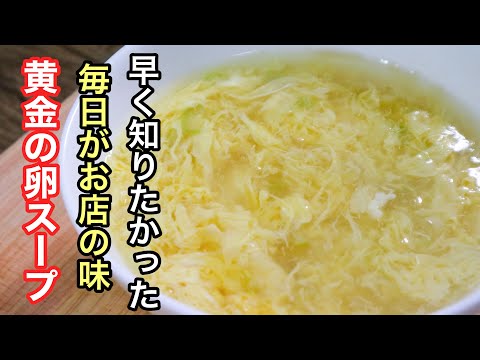
- Add the prepared 'watery starch mixture for eggs' to the egg mixture and stir. [This is the secret!] Adding starch prevents the eggs from becoming dry even when cooked thoroughly, resulting in a fluffy texture.
- Wash the Chinese chives, as dirt can accumulate at the roots. If they appear wilted, soak them in water for 5-10 minutes to rehydrate them.
- Pat the washed Chinese chives dry. Cut off the tough ends about 3cm from the root, and then chop the leafy parts into about 5cm sections.
- Place the chopped Chinese chives in a separate bowl from the eggs.
- Heat a frying pan over medium-high heat. Add a generous amount of oil and get it very hot. [This is the secret!] The oil must be very hot for the eggs to turn out fluffy. Test by dropping a small amount of egg into the oil; it should immediately start cooking.
- Once the oil is very hot, pour in the egg mixture.
- Gently mix the eggs with the hot oil, gathering the cooked egg from the edges towards the center.
- Once the egg is firm and no longer moves on the surface, turn off the heat.
- Transfer the cooked eggs to the bowl they were in before.
- Return the frying pan to low-medium heat. Add a small amount of oil and stir-fry the Chinese chives briefly to coat them in oil.
- Add the sauce mixture to the stir-fried Chinese chives and bring to a vigorous boil to cook off the alcohol.
- Once it boils through to the center, turn off the heat. [This is the secret!] Adding the watery starch mixture after turning off the heat helps prevent lumps and makes it easier to achieve the right consistency.
- Stir the prepared 'watery starch mixture for the sauce' well, then add it to the sauce while stirring to thicken.
- Break apart the fluffy cooked eggs you set aside into bite-sized pieces.
- Return the pan to low-medium heat and bring the sauce to a vigorous boil again to stabilize its thickened consistency.
- Once boiling, turn off the heat, return the broken-up eggs to the pan, and gently toss them in the sauce using residual heat. [This is the secret!] Only toss the eggs briefly at the end to preserve their fluffy texture and flavor.
- Plate and serve. Enjoy!
🌾 Recommended Rice for This Dish
※HowToCook.JPが料理の特徴に合わせて選定しています。動画内でシェフが推薦したものではありません。
* Contains affiliate links
*This article contains Amazon affiliate links. We may earn a commission on qualifying purchases.




🍷 編集部おすすめペアリング
※HowToCook.JP編集部による提案です。動画内でシェフが推薦したものではありません。
醸造アルコール添加によるキレのある味わい。揚げ物・カレー・中華など濃い料理でも口の中をリセットしてくれる毎日の食中酒
5–50℃(冷酒〜燗) Amazonで探す →特別な製法や60%以下精米で仕込んだ本醸造。普通の本醸造より香りが豊かでキレが良く、炒め物・唐揚げ・餃子に冷やして合わせるのが定番
10–50℃(冷〜燗) Amazonで探す →日本でもっとも親しまれるピルスナースタイル。キリッとした炭酸と軽い苦みが特徴。揚げ物・焼き鳥・餃子など炭酸と合わせたい料理全般に
4–7℃ Amazonで探す →ピルスナーより苦みを抑え、麦芽の甘みとまろやかさが前面に出る。ソーセージ・豚肉料理・バーベキューに最適
5–8℃ Amazonで探す →強烈なホップの苦みと柑橘・松ヤニ様の香り。スパイシーなカレー・唐辛子料理の刺激を洗い流し、旨みを引き立てる
8–12℃ Amazonで探す →長期貯蔵でウイスキーに近いバニラ・トースト香が生まれる。チーズ・燻製料理・焼き鳥によく合う
ロック・ストレート(常温〜10℃) Amazonで探す →40〜60%以上のアルコールと独特の麹香。麻婆豆腐・担担麺など四川の辛い料理と本場ペアリング
常温・ぬる燗(常温〜40℃) Amazonで探す →炭酸でウイスキーの香りを引き立てる万能ドリンク。揚げ物・焼き鳥・カレーなど幅広い料理と合う
氷入り・よく冷やす(2–5℃) Amazonで探す →麦芽エキスをしっかり感じられる本格ノンアル。唐揚げ・餃子・焼き鳥などビール定番料理を全員で楽しめる
4–8℃ Amazonで探す →半発酵茶の渋みが油脂を洗い流す食中茶の定番。中華・焼き肉・揚げ物など脂こってり料理に最適
冷・ホット(4–8℃ / 75–85℃) Amazonで探す →⚠️ お酒に関する注意事項
20歳未満の飲酒は法律で禁止されています。飲酒運転は法律で禁止されています。
妊娠中や授乳期の飲酒は、胎児・乳児の発育に影響するおそれがあります。お酒は適量を。